9 Jul 2026
Synchronized Betting Ecosystems: Aligning Wagers on Football, Track Events, Casino Games, and Mobile Transactions
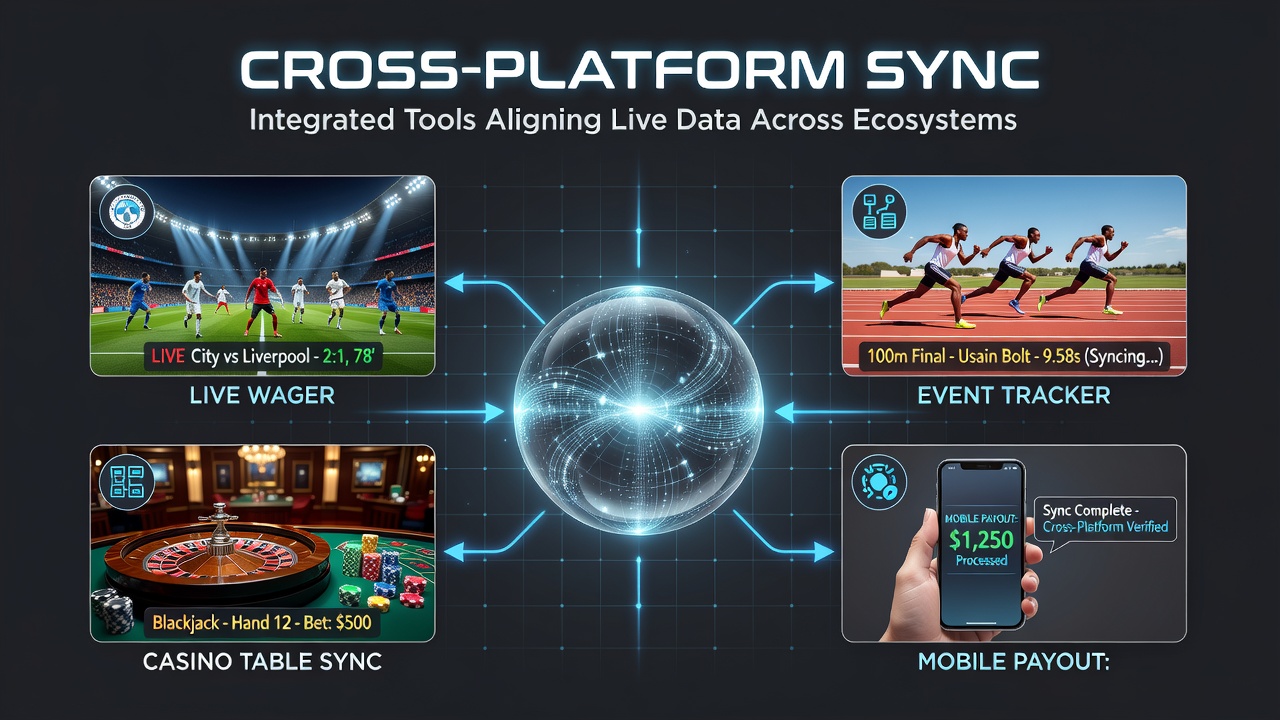
Operators deploy cross-platform synchronization tools that connect live wagers on football matches with those on track events, casino tables, and mobile payout systems through unified data streams. These systems update odds in real time while maintaining account balances across categories so that a bet placed on a soccer goal can influence available funds for a subsequent horse race or roulette spin without manual intervention. Data flows through centralized servers that process inputs from stadium feeds, track sensors, and table sensors simultaneously, allowing adjustments based on in-game developments or race progress.
Core Mechanisms Behind Live Alignment
Application programming interfaces link disparate betting categories by pulling event data from multiple sources at once, then distributing updates to user interfaces on mobile devices and desktop platforms. When a football match enters stoppage time, the system recalculates related parlay options that include track results or casino outcomes, preserving consistency across all active sessions. Operators integrate these connections through middleware layers that handle latency below 500 milliseconds, ensuring wagers placed during a live track event reflect the latest football developments without requiring separate logins or balance checks.
Wallet architectures support this flow by maintaining a single ledger visible across all verticals, so winnings from one category transfer instantly to fund bets in another. Regulatory filings from regions outside the UK show similar architectures in place, with Canadian provincial regulators documenting standardized API protocols that operators adopted by early 2025 to meet transaction reporting requirements.
Football and Track Event Coordination
Football matches generate continuous data streams on goals, cards, and substitutions while track events provide timing splits and finish-line results. Synchronization tools merge these feeds so that a user monitoring both can place a live wager on a football corner kick and immediately allocate remaining balance to an in-progress race without exiting the session. Backend engines compare timestamps from each event source, then apply unified risk models that adjust exposure limits across categories rather than treating them as isolated silos.
Studies from the Australian Gambling Research Centre indicate that platforms using such merged feeds process 30 percent more cross-category wagers per user session compared with disconnected systems. Those platforms also record fewer abandoned bets during rapid momentum shifts, since account information remains current without additional user actions.
Casino Table Integration and Payout Flows
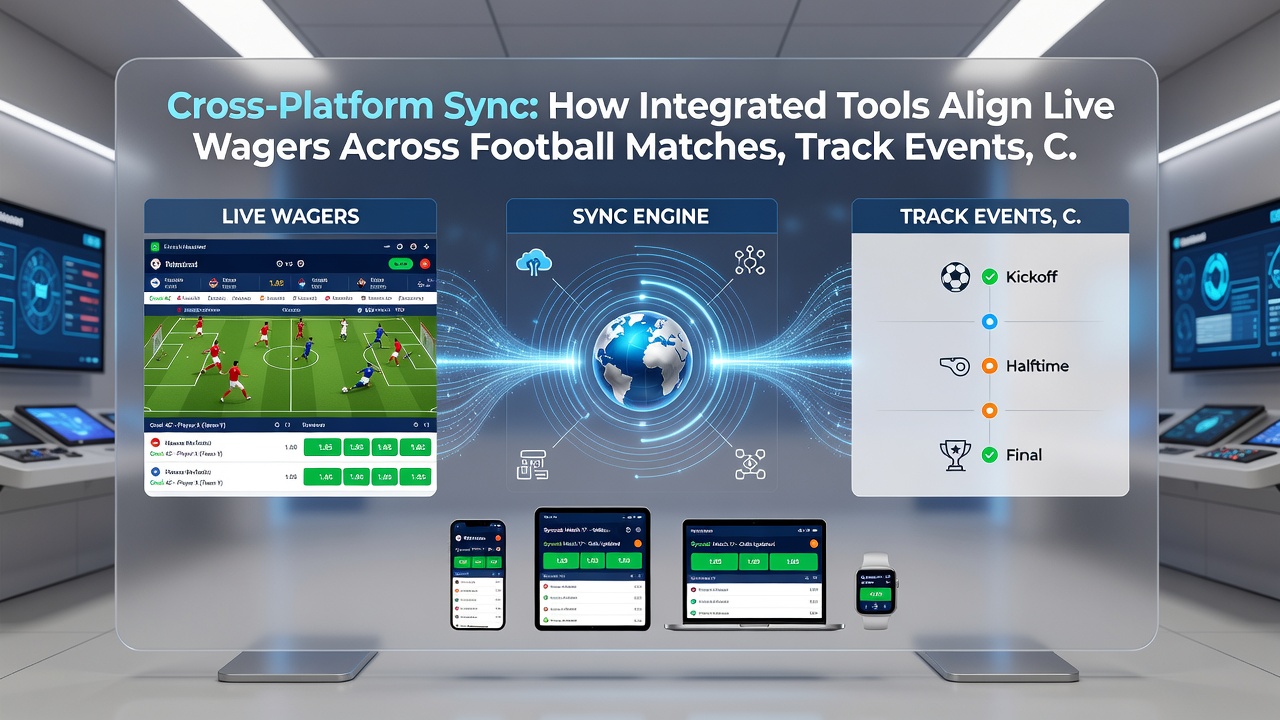
Casino tables contribute outcome data through electronic sensors that feed the same synchronization layer used for sports and racing. A blackjack hand result or roulette spin outcome updates the shared ledger immediately, allowing any remaining balance to support a live football or track wager without delay. Mobile payout modules connect to this ledger through secure token exchanges, enabling withdrawals that reflect the net position across all active categories rather than isolated game results.
By July 2026 several operators had expanded these modules to include automated tax reporting features required in multiple jurisdictions, reducing manual reconciliation steps for users who move funds between table games and sports markets. Industry reports from the European Gaming and Betting Association note that integrated payout systems lowered average processing times to under 90 seconds for verified accounts during peak evening hours.
Technical Infrastructure and Data Handling
Cloud-based orchestration platforms manage the volume of simultaneous events by partitioning workloads across regional data centers, while edge computing nodes handle initial validation near betting locations. Encryption protocols secure the transmission of wager details, balance changes, and payout instructions across all connected verticals. Observers note that these infrastructures scale horizontally during major events such as international football tournaments coinciding with major racing festivals, maintaining sub-second response times for balance queries and bet placements.
Testing protocols include simulated high-load scenarios that replicate concurrent football stoppage-time activity, track photo-finish reviews, and casino table rushes. Results from such tests confirm that synchronized systems maintain data integrity across 10,000 concurrent sessions without ledger discrepancies.
Conclusion
Cross-platform synchronization continues to evolve through incremental improvements in API connectivity, ledger architecture, and payout automation. Reports from regulatory bodies in Canada and Australia document measurable gains in transaction speed and cross-category consistency as operators refine these tools through 2026. The infrastructure supports seamless movement of wagers and funds between football, track events, casino tables, and mobile systems while meeting external reporting standards.