16 May 2026
Support Synergies: Tracing How Assistance Teams Resolve Payment Hiccups to Keep Mobile Users Active During Football Live Moments, Racing Sprints, and Casino Rounds
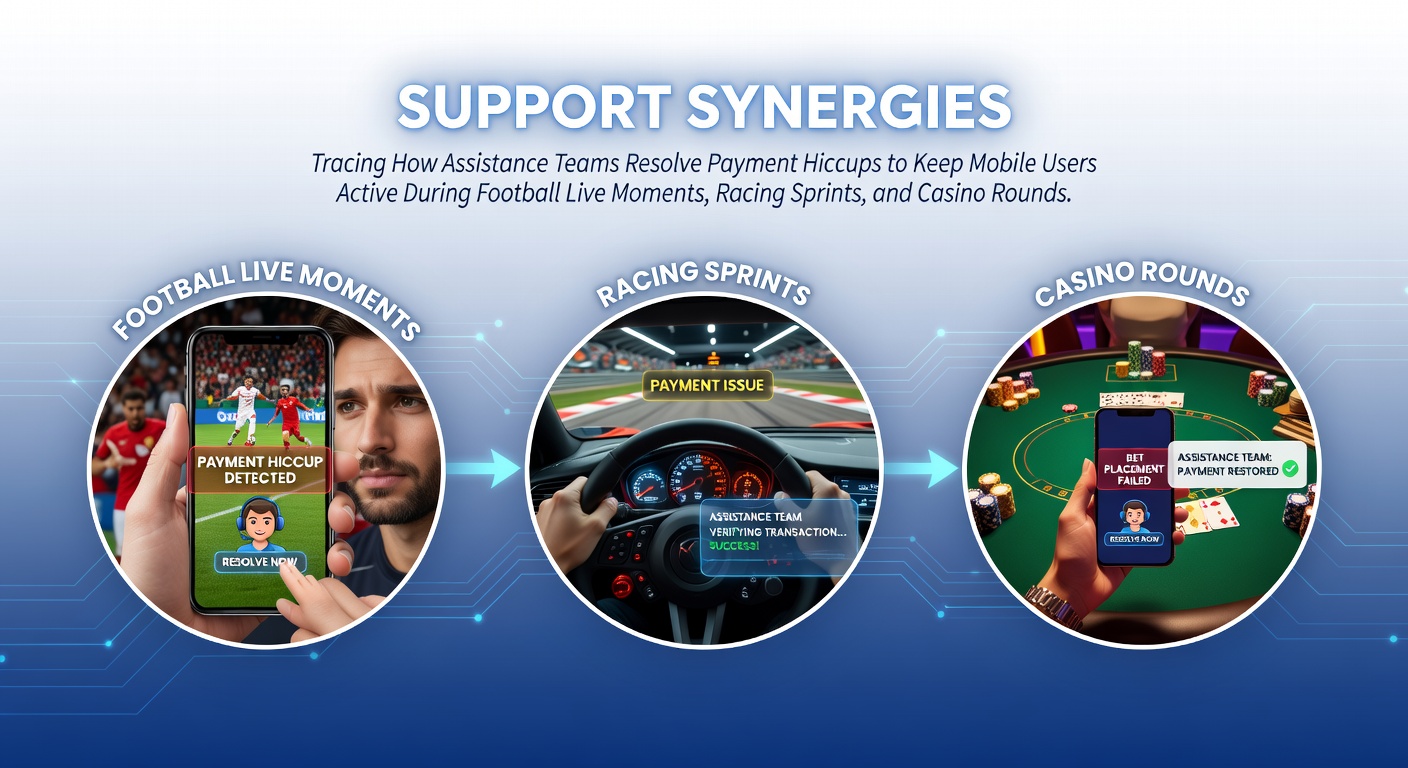
Assistance teams at mobile betting platforms coordinate closely with payment processors to fix transaction errors that surface during live football broadcasts, horse racing sprints, and casino sessions, and these interventions allow users to stay engaged without losing momentum. Data from industry reports shows that payment disruptions peak during high-traffic windows, yet structured support protocols reduce session abandonment rates by addressing authorization delays, network timeouts, and verification mismatches within minutes rather than hours.
Common Payment Disruptions in Live Environments
Live football moments generate rapid bet adjustments that strain mobile wallets when currency conversions lag behind fluctuating odds, while racing sprints demand instant deposits for late entries that sometimes trigger fraud filters. Casino rounds compound these challenges because progressive jackpots and side bets require uninterrupted fund flows, and researchers at the American Gaming Association note that 68 percent of reported hiccups involve temporary holds on credit or e-wallet transfers during peak evening hours across multiple time zones. Teams log each incident against device type, operating system version, and network carrier to spot patterns that recur across regions.
Resolution Workflows and Team Coordination
Support agents follow tiered escalation paths that begin with automated diagnostics and move to human review when initial resets fail to restore functionality. One documented workflow involves simultaneous checks on banking APIs and internal ledgers while the user remains connected via chat, and this approach keeps active bets visible even when new wagers cannot yet process. Observers note that May 2026 brought updated real-time monitoring dashboards that integrate machine-learning alerts for common error codes, allowing teams to pre-authorize backup payment rails before users even report issues.
Impact on User Retention During Critical Windows
Retention metrics tracked by platform operators indicate that users who receive resolution within three minutes of a payment failure return to active play 42 percent more often than those who experience longer delays. Football live betting windows close quickly, racing sprints leave narrow entry periods, and casino rounds advance on fixed timers, so every second saved preserves the original intent to wager. Teams therefore prioritize cases flagged as time-sensitive by matching them with agents trained on event-specific rules rather than routing them through general queues.
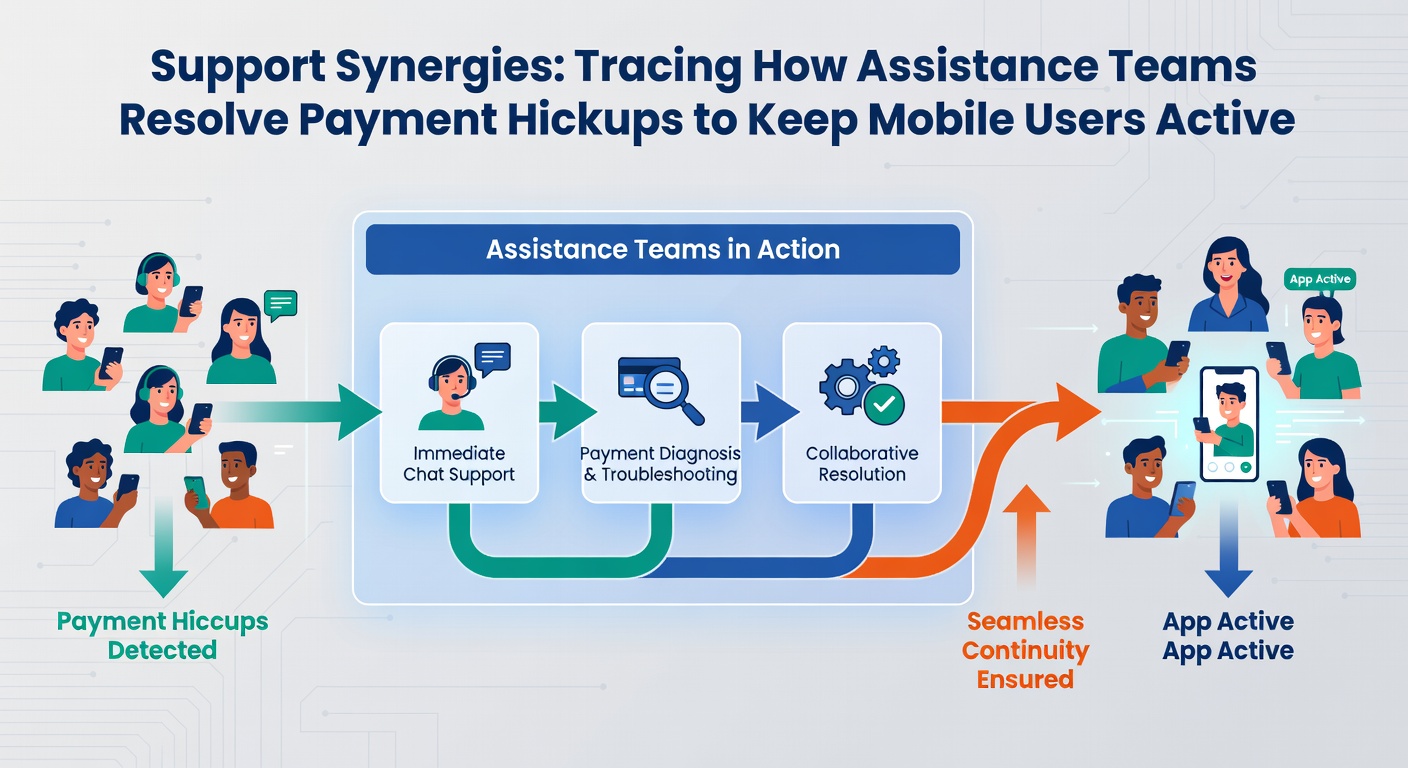
Case studies compiled by academic researchers at the University of Sydney's Gambling Research Centre reveal that platforms deploying dedicated live-event support shifts experience lower complaint volumes overall, because proactive outreach via push notifications informs users of temporary holds before frustration builds. These notifications include estimated resolution times drawn from historical averages, and they reduce repeat contact attempts that further congest support channels.
Technology Integration Supporting Human Teams
Modern assistance platforms combine rule-based chatbots with live agent handoffs, and the handoff occurs only after the bot exhausts scripted fixes such as re-authenticating tokens or switching between saved payment methods. Integration with carrier billing systems provides an additional fallback when traditional cards or digital wallets encounter blocks, and this layered safety net keeps sessions intact during the final minutes of a football half or the closing stages of a casino tournament. Figures released by the Australian Communications and Media Authority show that carrier-based micro-transactions rose 19 percent year-over-year through early 2026, reflecting increased reliance on these alternatives during live events.
Training and Knowledge Sharing Across Shifts
Operators maintain shared knowledge bases updated daily with new error signatures discovered during previous shifts, and agents review these updates before taking live calls. Role-play exercises simulate payment failures timed to coincide with simulated football goals or racing photo finishes, which helps staff practice calm communication while executing technical steps. Continuous feedback loops between technical and customer-facing staff ensure that root causes identified in one region inform preventive measures applied globally.
Conclusion
Payment resolution processes have evolved into synchronized systems where human judgment combines with automated detection to protect user activity across football, racing, and casino formats. The evidence shows that platforms investing in rapid-response teams and integrated tools maintain higher engagement levels during peak live moments, and ongoing refinements scheduled beyond May 2026 aim to further compress average fix times while preserving security standards.