9 Jun 2026
Support Networks Accelerating Instant Decisions in Mobile Wagering from Soccer Fields to Racing Tracks
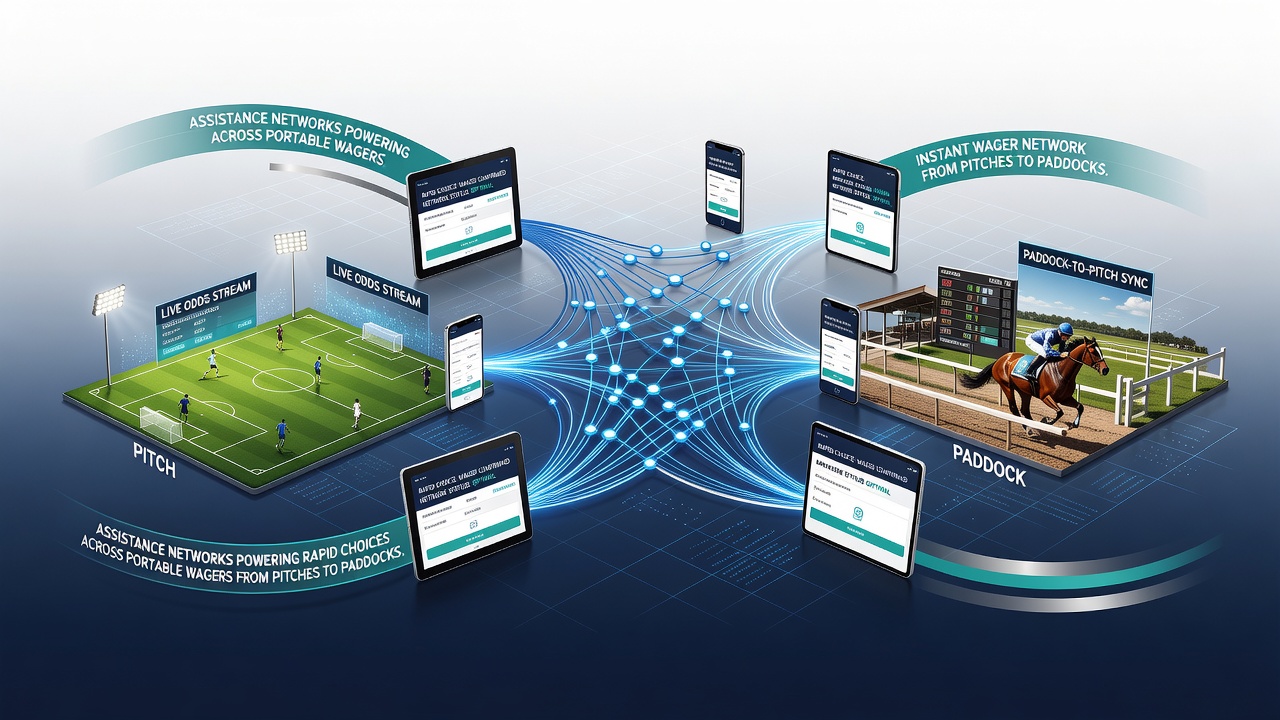
Support networks form the backbone of rapid betting decisions on mobile devices, linking users across football matches on pitches and thoroughbred races at paddocks with real-time data, chat services, and verification tools. These systems integrate customer service platforms, algorithmic alerts, and payment gateways to handle queries during live events, where timing often determines outcomes. Observers note that operators have expanded these networks since early 2025 to accommodate growing volumes of in-play wagers on portable devices.
Core Components of Assistance Networks
Real-time chat interfaces sit at the center of most networks, allowing bettors to confirm odds changes, resolve account issues, or clarify rules without leaving the app. Automated bots handle initial queries on topics such as bet settlement or bonus eligibility, while human agents step in for complex cases involving multiple legs across sports. Data shows these hybrid models reduce average response times to under 90 seconds during peak hours, according to industry benchmarks compiled by the European Gaming and Betting Association.
Verification layers add another dimension, cross-checking identity documents and location data instantly so users can place wagers without interruption. Payment processors embedded in the same network enable instant deposits and withdrawals, synchronizing with live odds feeds from pitches and paddocks alike. Researchers at the University of Nevada Reno documented how these integrated flows cut transaction failures by 34 percent in multi-sport sessions during 2025 testing periods.
Application Across Football and Horse Racing
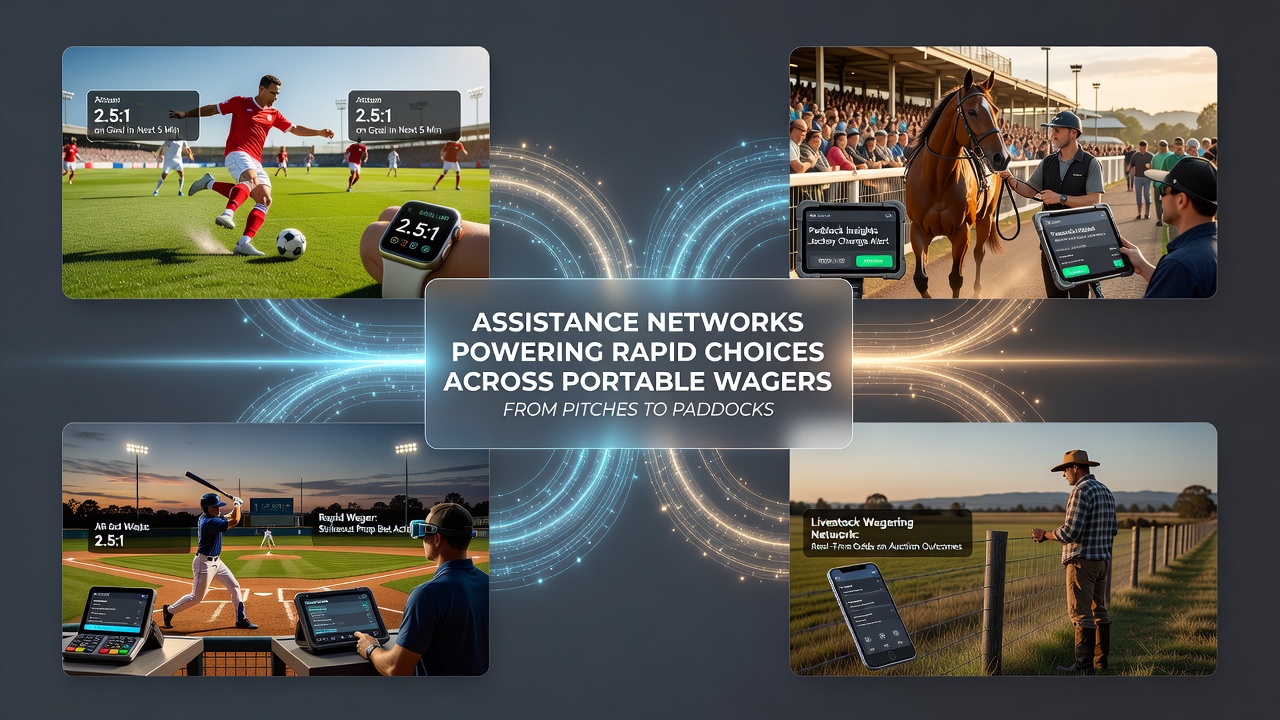
During football matches, assistance tools flag momentum shifts such as substitutions or weather updates that alter goal probabilities, then route users to adjusted lines via push notifications. Bettors receive confirmation within seconds when support confirms a cash-out value or resolves a disputed outcome. In horse racing, similar networks supply track condition reports and jockey updates directly through the same dashboard, connecting paddock observations to mobile interfaces without requiring separate logins.
One documented workflow involves a user switching from a live Premier League match to an evening race card: the network maintains session continuity, preserves balance data, and applies any active promotions across both events. Figures from Australian wagering operators reveal that 62 percent of cross-sport sessions in the first half of 2026 relied on these seamless handoffs rather than standalone apps.
Developments Expected by Mid-2026
Regulatory updates scheduled for June 2026 in several jurisdictions will require enhanced audit trails for assistance interactions, particularly around affordability prompts and dispute resolution logs. Operators have begun testing expanded logging features that timestamp every chat exchange and algorithmic recommendation. These changes align with broader efforts to standardize mobile wagering security without slowing decision speeds.
Industry groups such as the American Gaming Association report that networks incorporating biometric login and geofencing now cover 78 percent of active accounts in regulated markets. Such tools allow bettors to move between pitches and paddocks while the system automatically validates eligibility, reducing manual checks that previously interrupted live play.
Integration with Payment and Data Feeds
Assistance networks connect directly to banking partners and odds providers, creating a single pathway for funding bets, confirming results, and accessing historical data. When a football goal triggers a cascade of odds updates, the system can alert users and process related wagers in one flow. Horse racing platforms use the same backbone to handle last-minute scratch reports or photo-finish reviews, routing queries to the appropriate support tier automatically.
Studies conducted by Canadian research institutes indicate that combined networks handling both sports reduce average session abandonment by 21 percent compared with fragmented support models. The architecture relies on API connections that update every few seconds, ensuring information remains synchronized whether the action unfolds on grass pitches or dirt tracks.
Conclusion
Assistance networks continue to evolve as the central mechanism enabling swift, informed choices in mobile wagering across football and horse racing. Their layered design, blending automation with human oversight, supports uninterrupted play while meeting emerging compliance standards projected for 2026. Data from multiple regulatory regions confirms steady adoption of these systems as operators scale operations across pitches and paddocks.