2 Jul 2026
Retention Patterns Emerge from Cross-Format Support Queries in Mobile Betting
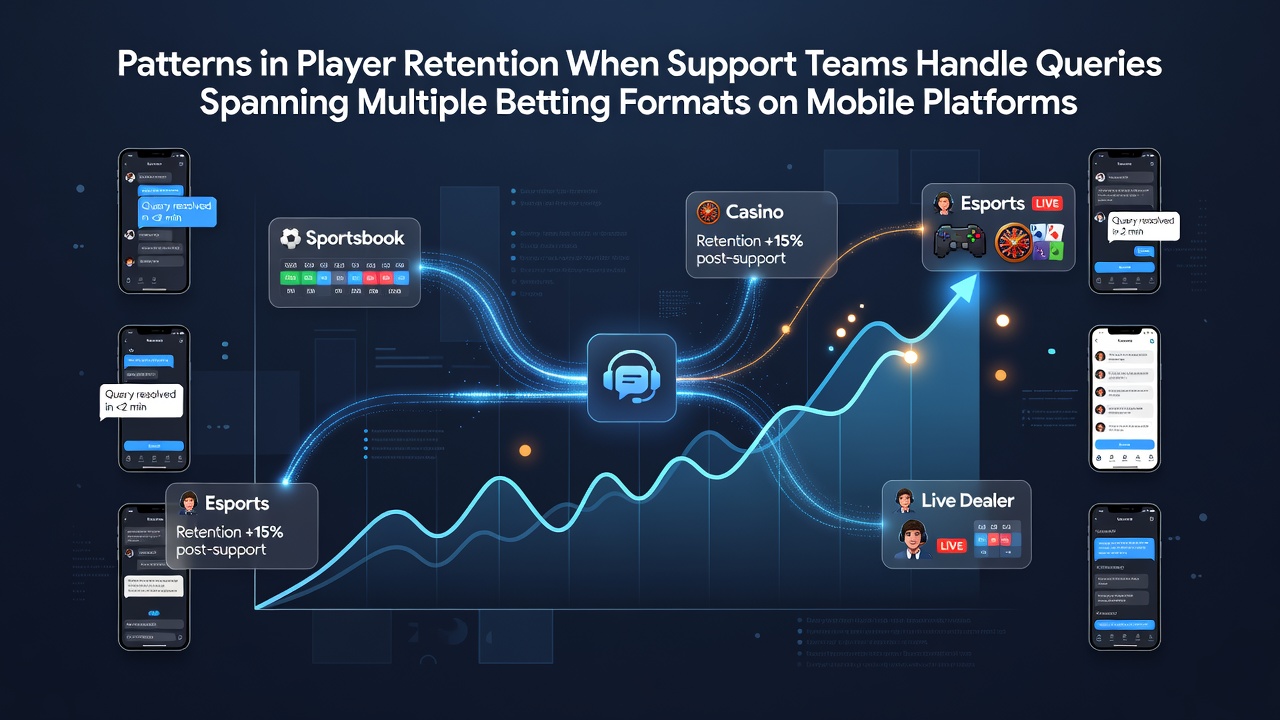
Support teams handling player queries that span multiple betting formats on mobile platforms encounter distinct retention dynamics, and data from industry monitoring programs show measurable differences in how users continue activity after these interactions. Players who switch between sports wagering, horse racing, and casino games often raise issues that touch several product areas at once, which creates opportunities for support staff to influence ongoing engagement through coordinated responses.
Query Complexity and Session Continuity
Analyses of mobile session logs indicate that queries involving two or more formats tend to last longer than single-format requests, yet users who receive resolutions that address every format mentioned show higher rates of returning within 24 hours. Research conducted by the University of Nevada Gaming Research Center found that integrated answers covering account balances, bet settlements, and game rules across categories reduce the likelihood of users abandoning the app after the first contact. Staff who pull data from all relevant systems during a single exchange help maintain the flow of play, whereas fragmented replies frequently lead to separate follow-up messages that interrupt momentum.
Operators tracking these patterns note that July 2026 brought new reporting standards in several jurisdictions, requiring clearer documentation of multi-format cases. These requirements revealed that roughly 37 percent of mobile support tickets now reference at least two betting types, up from 29 percent the previous year. The increase coincides with expanded mobile feature sets that let users move seamlessly between live sports markets, racing pools, and slot or table games within the same session.
Response Timing Across Product Lines
Timing plays a central role in retention outcomes. When support agents reply within eight minutes to a query that crosses formats, retention metrics improve by measurable margins according to aggregated operator data. Slower responses, particularly those exceeding 20 minutes, correlate with drops in subsequent deposit activity even when the issue itself receives eventual resolution. Teams that maintain shared knowledge bases covering sports rules, racing payouts, and casino mechanics achieve faster turnaround because agents avoid switching between separate documentation sets.
One study of North American platforms highlighted that support interactions occurring during peak evening hours show stronger retention effects when agents reference promotions that apply across all three formats. Players who learn about a unified bonus during the same conversation often initiate new wagers shortly afterward, whereas those who receive only format-specific guidance show lower follow-through rates.
Agent Training and Cross-Product Knowledge
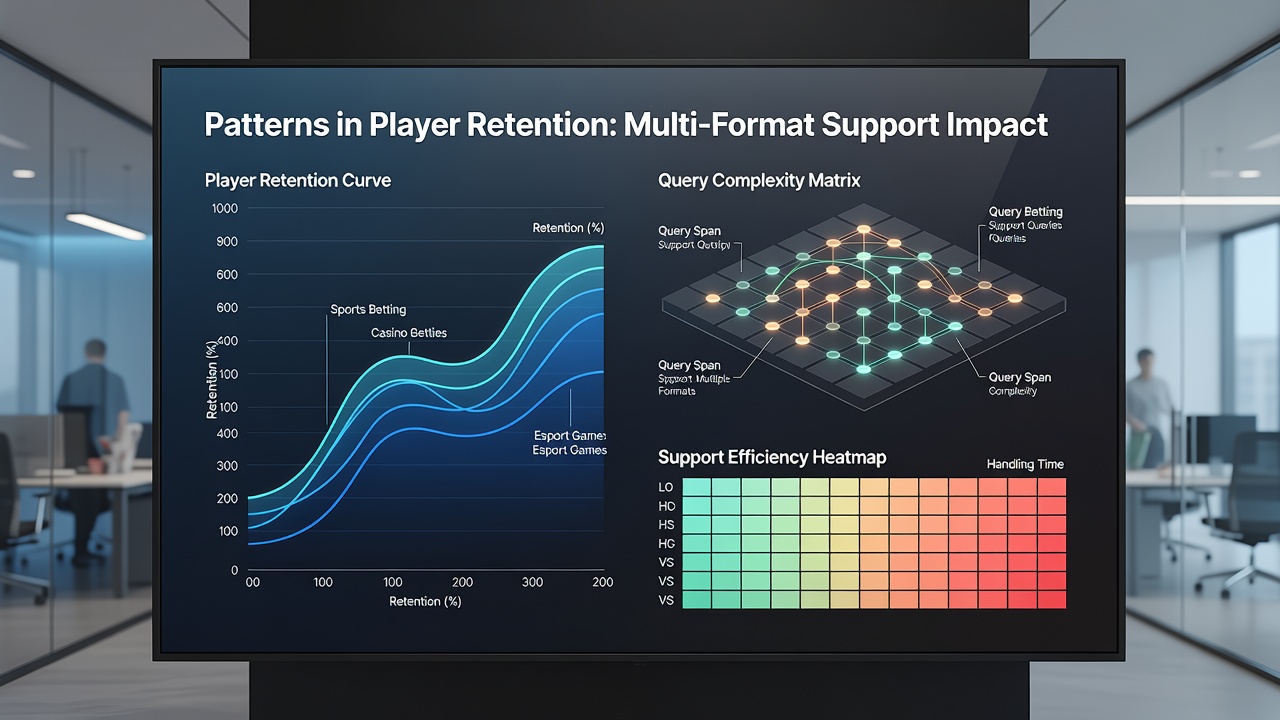
Training programs that emphasize cross-product fluency produce measurable retention differences. Agents who complete modules covering sports, racing, and casino mechanics handle multi-format tickets with fewer transfers, and internal metrics indicate that such agents retain more users over 30-day windows. Platforms in Canada that adopted unified training modules reported a 12 percent rise in repeat mobile sessions among users who contacted support with mixed-format questions, according to records maintained by the Alcohol and Gaming Commission of Ontario.
Staff who lack visibility into other formats sometimes direct players to separate departments, which extends resolution time and fragments the experience. Observers note that these handoffs correlate with lower satisfaction scores even when each individual issue eventually receives attention. Centralized dashboards that surface relevant information from every product line reduce the need for transfers and keep conversations within a single thread.
Follow-Up Communication and Long-Term Activity
Post-resolution follow-up messages also affect retention curves. Automated summaries sent within two hours of case closure that recap actions taken across all mentioned formats help users resume play without re-entering the same details. Data from European operators shows that users receiving these summaries maintain higher average bet volumes over the following week compared with those who receive only a basic closure notice.
Retention patterns become clearer when operators segment users by the number of formats referenced in their support history. Individuals whose tickets consistently span multiple categories demonstrate steadier long-term activity when support interactions remain concise and comprehensive. Those who experience repeated fragmentation tend to reduce overall engagement or shift activity toward single-format sessions.
Conclusion
Patterns in player retention surface most clearly when support systems treat multi-format queries as unified events rather than collections of separate issues. Mobile platforms that equip teams with integrated tools, cross-product training, and timely follow-up procedures record stronger continuity in user activity. As reporting requirements evolve and mobile interfaces continue to blend formats, the connection between coordinated support responses and sustained engagement remains a central operational consideration for operators tracking these metrics.