1 Aug 2026
Real-Time Payment Synchronization Across Live Football, Equine, and Casino Mobile Platforms
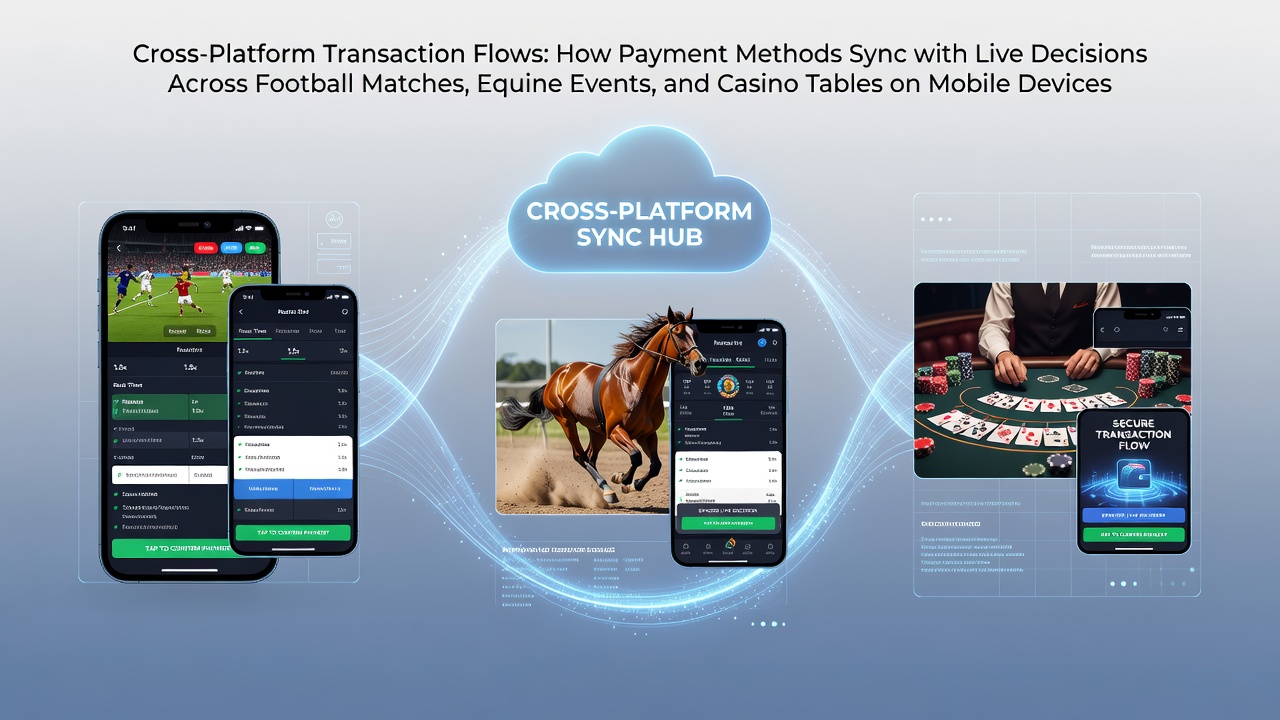
Payment systems now coordinate directly with live event data feeds so that deposits, withdrawals, and bet adjustments happen in the same moment as on-field or track developments unfold. Observers note that operators integrate APIs from payment providers with sports data suppliers, which allows a user on a mobile device to increase a stake during a critical play or adjust a wager based on a last-minute scratch in equine racing. Research from the American Gaming Association indicates these connections reduce processing delays to under three seconds in many cases, which keeps the transaction aligned with the unfolding action rather than lagging behind it.
Football Match Integration
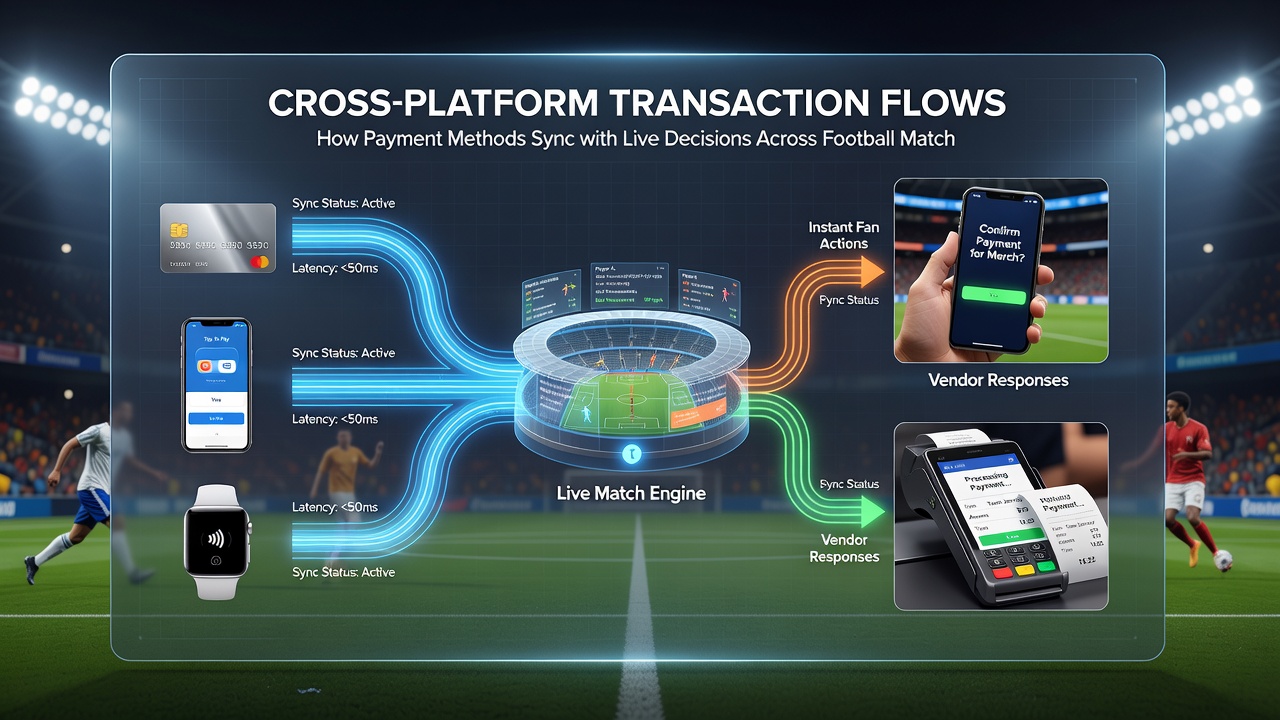
During football matches, live odds shift with each possession change or goal, and payment flows respond immediately through the same mobile session. Data shows that when a team mounts a sudden attack, the system pushes updated lines while the wallet balance updates in parallel, letting the user confirm an increased stake without leaving the match view. Those who have examined platform architectures report that tokenization keeps card details secure yet accessible for instant top-ups, and this setup appears across major leagues where in-play betting volumes rise sharply in the second half. The process relies on continuous handshakes between the betting engine and the payment gateway so that any balance shortfall triggers an automatic funding prompt timed to the next play.
Equine Event Transaction Timing
Equine racing presents tighter windows because post positions and late scratches alter odds seconds before the gate opens, and mobile payments must clear within that narrow interval. Studies from the University of Nevada, Las Vegas Center for Gaming Research reveal that successful platforms preload authorization tokens during the parade ring phase, which allows a single tap to complete a wager once the final odds lock. Observers note that equine events often require multi-leg bets that span several races in one afternoon, so the system batches withdrawals from prior wins directly into the next stake without separate confirmation screens. This flow maintains continuity across the card while complying with jurisdictional rules on maximum wager limits that can change by race.
Casino Table Synchronization
Casino tables on mobile replicate the same live decision points through streamed dealer actions and real-time card or wheel outcomes, with payment methods syncing to each round. Figures from the European Gaming and Betting Association show that players frequently move balances between table games and sports sections within a single account, and the platform treats these transfers as internal ledger entries that settle before the next spin or hand begins. The architecture supports instant verification so that a win from a blackjack round can fund an immediate football in-play bet without external processing queues. Mobile interfaces display pending transaction status alongside the table feed, which keeps the user informed without interrupting the game rhythm.
Cross-Platform Continuity in August 2026
By August 2026 several jurisdictions implemented updated technical standards that require payment providers to maintain open connections with multiple event data streams simultaneously. These rules apply equally to football, equine, and casino offerings on the same mobile application, which means a single session can handle stake changes across all three without logging out or switching accounts. Industry reports indicate that operators who adopted unified APIs ahead of the deadline experienced fewer interrupted transactions during peak live periods, while those still using siloed systems faced higher abandonment rates at critical moments. The standards also mandate that balance displays refresh in under one second after any cross-category transfer, a requirement that aligns payment timing with the fastest live decisions on the field, track, or table.
Security and Compliance Layers
Security protocols embed within the transaction flow so that each payment request carries event-specific metadata that the operator logs for regulatory review. Researchers at the Canadian Centre on Substance Use and Addiction have documented how these metadata tags help distinguish between routine deposits and rapid in-play adjustments, which supports responsible gambling tools that can intervene mid-session when patterns suggest excessive velocity. Mobile devices receive push notifications that confirm both the bet placement and the payment settlement in one message, reducing the chance that a user loses track of multiple concurrent wagers across different event types. The system flags any mismatch between the live data timestamp and the payment authorization time, which triggers an automatic review before funds move.
Conclusion
Payment synchronization with live decisions has become a core technical requirement rather than an optional feature across football, equine, and casino mobile offerings. The connections between data feeds, payment gateways, and user interfaces now operate on timescales measured in seconds, which matches the pace of events themselves. As regulatory frameworks continue to evolve into 2026 and beyond, the emphasis remains on maintaining these real-time links while preserving security and compliance across every category of play.