30 Jun 2026
Real-Time Interfaces: Mobile Solutions for Support Teams Handling Live Wagers in Football, Racing, and Casino Settings
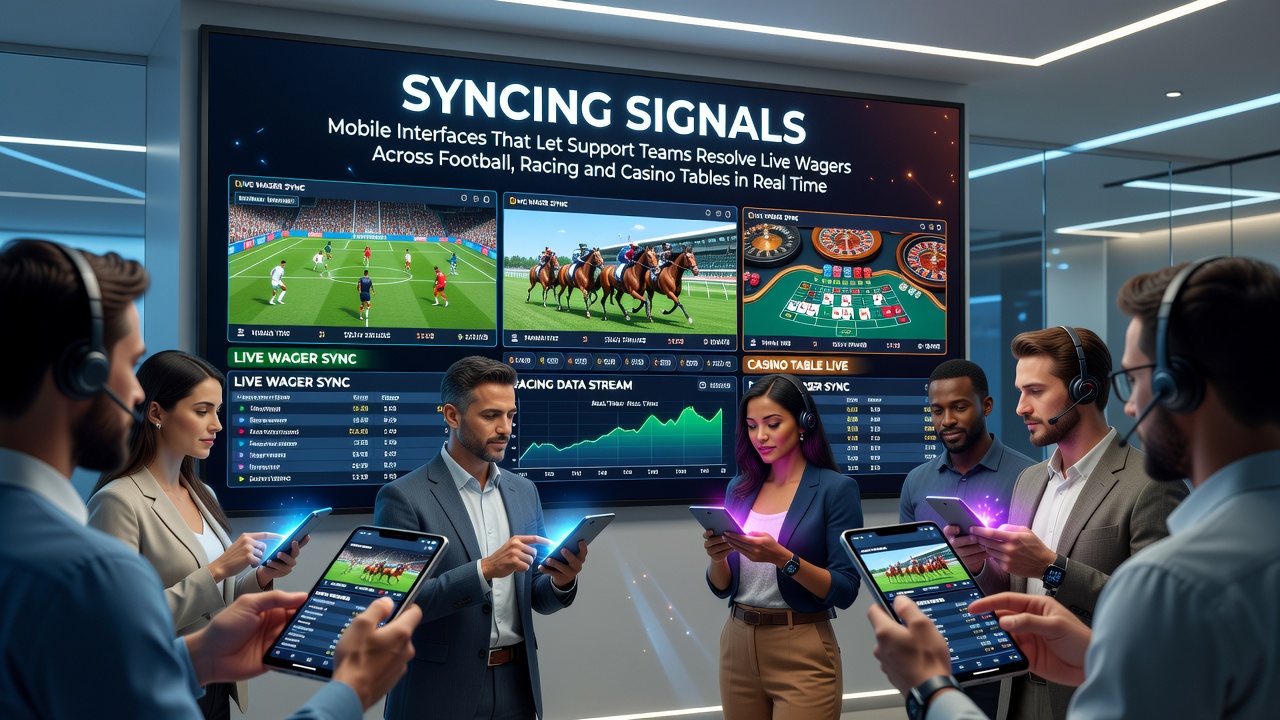
Support teams rely on mobile interfaces that connect directly to betting platforms and deliver updates across football matches, horse races, and casino tables in a single view; these tools consolidate bet details, transaction logs, and customer queries into dashboards that refresh without manual input. Data from the American Gaming Association shows operators adopting such systems report average resolution times dropping by 35 percent when agents access synchronized feeds instead of switching between separate applications.
Interfaces pull live odds, stake amounts, and payout calculations from backend servers while agents remain on mobile devices during peak hours. Integration layers link sportsbooks with racing totalisators and casino management systems so that a single ticket spanning multiple verticals appears as one record rather than three separate entries.
Core Components of Synchronized Mobile Dashboards
Developers build these platforms around three primary modules that include real-time data streams, secure messaging channels, and automated verification protocols. The data-stream module receives timestamped events from event feeds maintained by leagues and tracks, whereas messaging channels route encrypted queries between customers and agents without exposing full account histories on public networks. Automated verification protocols cross-check bet IDs against settlement engines before agents approve adjustments or void requests.
Operators in multiple jurisdictions have implemented role-based access so that agents see only the verticals assigned to their shift, which reduces information overload while maintaining audit trails required by regulators. Reports from the Nevada Gaming Control Board indicate that similar access controls have been standard in digital gaming environments since 2023 and continue to expand into multi-vertical support operations.
Application Across Football, Racing, and Casino Tables
Football support scenarios often involve in-play goal markets or corner bets that require immediate confirmation when video feeds lag. Agents using mobile interfaces receive push notifications tied to goal-line technology timestamps and can confirm or escalate discrepancies before settlement occurs. Racing queries typically center on photo-finish results or late scratch adjustments; synchronized tools overlay official steward decisions onto active tickets so agents can respond to customers within the same minute the result is posted.
Casino table support focuses on side-bet disputes or connectivity drops during live dealer sessions. Mobile interfaces display table limits, current shoe composition where permitted, and transaction sequences so agents can reconstruct events without requesting separate floor reports. One documented workflow at a European operator allowed an agent to resolve a disputed roulette payout by matching the customer's mobile confirmation timestamp with the table's electronic sensor log in under 90 seconds.
Developments Expected by June 2026
Industry observers note that several platform providers plan to release updated APIs that incorporate edge computing nodes at major venues by June 2026, which should further compress latency between event occurrence and agent visibility. These nodes process local sensor data from stadiums, racetracks, and casino floors before forwarding aggregated packets to central clouds, reducing round-trip times for high-volume periods such as weekend football fixtures or evening racing cards.
Testing conducted by research groups at the University of Nevada, Las Vegas has measured sub-second delivery of table-game outcomes across simulated multi-site environments, confirming that localized processing maintains consistency even when primary data centers experience brief congestion. Operators anticipate that these enhancements will align with broader regulatory expectations for faster dispute resolution across integrated gaming products.
Security and Compliance Measures
Encryption standards applied to mobile interfaces meet or exceed requirements set by the Alcohol and Gaming Commission of Ontario, which mandates end-to-end protection for any device accessing customer funds or bet records. Token-based authentication rotates session keys every 15 minutes during active support interactions, while geofencing restricts access when agents move outside approved operational zones. Audit logs capture every screen view and message exchange, creating immutable records that regulators can request during periodic reviews.
Training programs emphasize recognition of anomalous patterns, such as sudden spikes in void requests from a single IP range, so agents can flag potential issues before they escalate into larger compliance matters. Organizations that publish annual transparency reports have documented fewer than 0.2 percent of live-wager disputes requiring escalation beyond the first-line agent when these interfaces are fully deployed.
Conclusion
Mobile interfaces that synchronize signals across football, racing, and casino environments continue to evolve through incremental API improvements and localized processing upgrades. Data from regulatory bodies and academic testing programs demonstrate measurable reductions in resolution time while preserving the security standards required for live wagering operations. As deployment timelines approach June 2026, the focus remains on maintaining consistent performance across all three verticals without introducing new latency points or compliance gaps.