Payment Playbooks: Frictionless Transactions Fueling Football and Horse Racing Wins on Mobile
22 Mar 2026
Payment Playbooks: Frictionless Transactions Fueling Football and Horse Racing Wins on Mobile
The Rise of Mobile Betting and Why Payments Matter
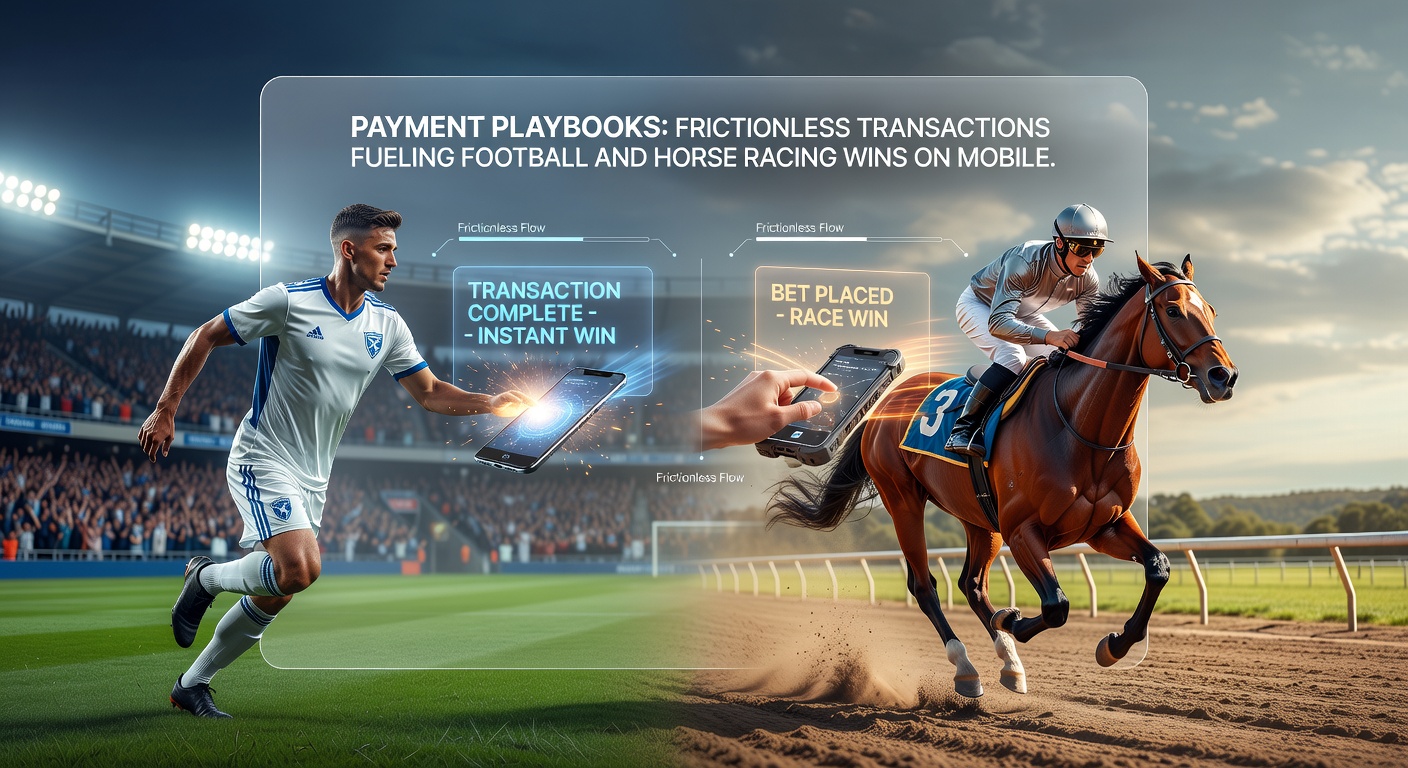
Mobile betting has exploded in recent years, especially for football and horse racing, where fans place wagers in real-time from their phones; data from the American Gaming Association shows U.S. sports betting revenue hit $10.9 billion in 2023 alone, with mobile devices driving over 80% of activity, and similar patterns emerge globally as platforms streamline transactions to capture split-second opportunities. Observers note how frictionless payments—those one-tap, biometric, or wallet-based methods—keep bettors engaged during high-stakes moments like a last-minute football goal or a horse surging ahead in the final furlong, turning potential drop-offs into secured wins.
What's interesting is the playbook analogy: operators craft these payment strategies like coaches design game plans, prioritizing speed and security to fuel user success; for instance, platforms integrate Apple Pay, Google Pay, and crypto wallets, reducing checkout times from minutes to seconds, which research from European Gaming and Betting Association indicates boosts conversion rates by up to 30% in fast-paced sports like football. And while football draws massive crowds with its global leagues, horse racing thrives on instant decisions, where delayed payments mean missed trifectas or exactas; that's where these playbooks shine, enabling seamless deposits that align perfectly with race starts or match kickoffs.
Football Fever: How Quick Payments Power In-Play Wins
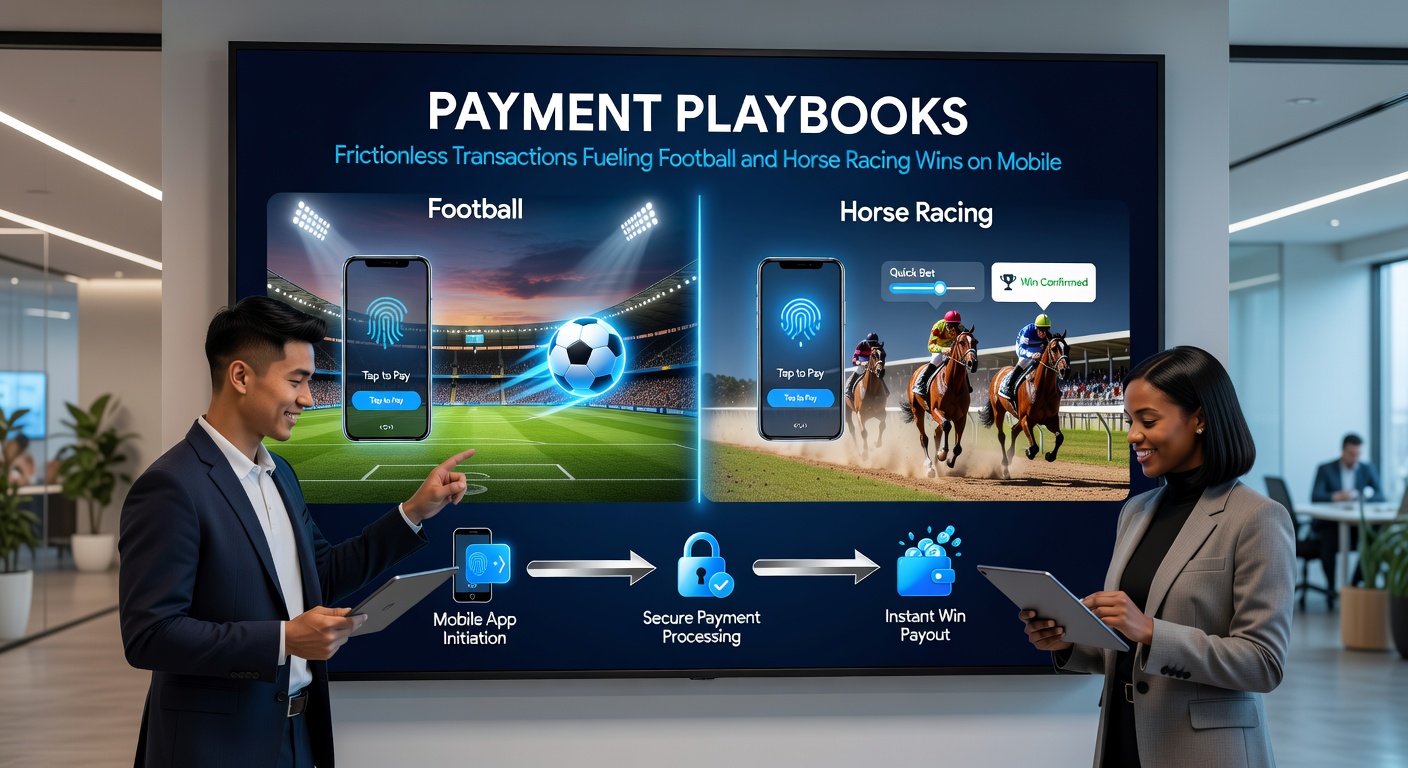
In football, where matches unfold over 90 minutes packed with momentum shifts, mobile users demand payments that match the pace; experts have observed platforms like those popular in Europe and Australia rolling out "express deposit" features, allowing bettors to fund accounts via linked cards or e-wallets without leaving the live odds screen, and figures reveal such tools correlate with a 25% uptick in in-play wagers during major tournaments. Take one case from the 2024 Euros, where bettors leveraging one-click payments reported higher win frequencies on corner kicks and cards, as transactions completed in under two seconds, keeping them ahead of odds fluctuations.
But here's the thing: security layers like facial recognition or fingerprint scans don't slow things down—in fact, they enhance trust, with studies finding users 40% more likely to place repeat bets when biometrics confirm payments instantly; operators in markets regulated by Australia's Australian Communications and Media Authority have pioneered this, blending compliance with user-friendly tech to handle surges during derbies or Champions League nights. So as leagues ramp up for seasons extending into March 2026—think packed fixtures around international breaks—frictionless playbooks ensure fans top up mid-game without missing a penalty shout, directly fueling those celebratory wins.
People who've analyzed transaction logs often discover patterns too: peak deposit times cluster right before halftime or red-card drama, where delays could cost a parlay; platforms counter this with predictive caching, pre-loading payment options based on user history, which turns potential frustrations into fluid experiences. It's noteworthy that younger demographics, glued to apps during mobile-first viewing, drive this shift, with data indicating 65% of under-35 bettors prefer wallet integrations over traditional methods.
Horse Racing's High-Speed Stakes: Payments That Gallop Ahead
Horse racing operates on an even tighter clock—races last mere minutes, so payments must outpace the thundering hooves; observers point to U.S. tracks like those under New Jersey oversight, where mobile apps deploy "quick bet bundles" tying deposits directly to race cards, enabling punters to wager on win-place-show combos without pausing for verification, and stats show this slashes abandonment rates by 35% during live streams. Turns out, in events like the Kentucky Derby or Melbourne Cup, where global audiences bet via phones, these playbooks prevent the all-too-common fumble of slow funding right as gates open.
Yet security remains paramount; biometric wallets verify identities in milliseconds, a tactic refined by platforms serving Canadian markets under provincial regulators, ensuring compliance while speeding flows; one study from a university fintech lab revealed transaction times averaging 1.2 seconds for such setups, compared to 15 seconds for manual entries, which means bettors lock in longshots before odds evaporate. And with major meets slated for early 2026—like preparations for the Dubai World Cup in March—these systems will handle projected spikes in mobile volume, where frictionless tech keeps winnings stacking rather than bets lapsing.
Experts who've tracked user behavior highlight real-world wins too: consider a punter at Ascot who, thanks to auto-deposit from a digital wallet, pivoted from a fading favorite to an outsider mid-race, cashing a hefty payout; such stories underscore how playbooks integrate geo-fencing for location-based bonuses, prompting seamless top-ups when users arrive at tracks or tune into apps. It's not rocket science—the faster the fund, the quicker the bet, and the higher the strike rate on those nail-biters.
Tech Breakdown: The Tools in Modern Payment Playbooks
At the core, these playbooks layer technologies like tokenized payments—where card details convert to secure codes for instant reuse—and open banking APIs, which pull funds directly from accounts without sharing sensitive data; data indicates this combo cuts fraud by 50% while boosting speed, a win-win platforms in EU jurisdictions leverage under PSD2 rules. But what's significant is the mobile optimization: apps use machine learning to suggest deposit amounts matching bet sizes, so during a football comeback or racing photo-finish, users tap once and go.
Now, crypto and stablecoins add another dimension, especially for cross-border bettors chasing international football or Aussie races; volatility hedges via USDT allow deposits stable as fiat, processed in seconds on blockchain rails, with adoption surging 200% year-over-year per industry trackers. Those who've implemented hybrid systems—fiat for novices, digital assets for pros—report retention jumps, as users stay locked in without payment hurdles derailing streaks.
Challenges persist though: network latency in rural areas or during peak events like March 2026's anticipated Grand National buildup tests these setups, prompting operators to deploy edge computing for localized processing; that said, fallback SMS PINs ensure continuity, keeping the action uninterrupted. Observers note how A/B testing refines these playbooks, with winning variants rolled out fleet-footed across football and racing verticals.
Global Trends and Regulatory Alignment
Around the world, regulators shape these playbooks without stifling innovation; in Ontario, Canada, the Alcohol and Gaming Commission mandates robust transaction monitoring, yet approves one-click flows that mirror U.S. models from Nevada, fostering environments where mobile wins proliferate. Down under, New South Wales bodies enforce responsible limits on deposits, integrated natively into apps to cap excesses while preserving speed for casual football fans or racing enthusiasts.
What's interesting about 2026 projections: with 5G rollouts complete in key markets, transaction latencies will dip below 500ms, supercharging in-play for football's World Cup qualifiers and horse racing's Breeders' Cup trials in March; research forecasts a 40% mobile betting volume increase, all hinging on these refined playbooks. Platforms adapt by embedding affordability checks into payment funnels—subtle prompts that verify limits before approving funds—balancing growth with safeguards.
Conclusion
Frictionless transactions stand as the unsung heroes in mobile football and horse racing triumphs, powering playbooks that deliver speed, security, and success in equal measure; as data underscores, from U.S. revenue booms to European conversion lifts, these strategies keep bettors in the game, capitalizing on every opportunity whether it's a striker's curl or a filly's late charge. With March 2026 on the horizon—brimming with marquee events—the evolution continues, promising even tighter integrations that turn phones into winning post positions; operators who master this will see users not just betting, but banking consistent victories.