25 Jun 2026
Mapping Reward Ecosystems: Stadium Events, Racetrack Outcomes, and Gaming Platforms Connected by Digital Wallets
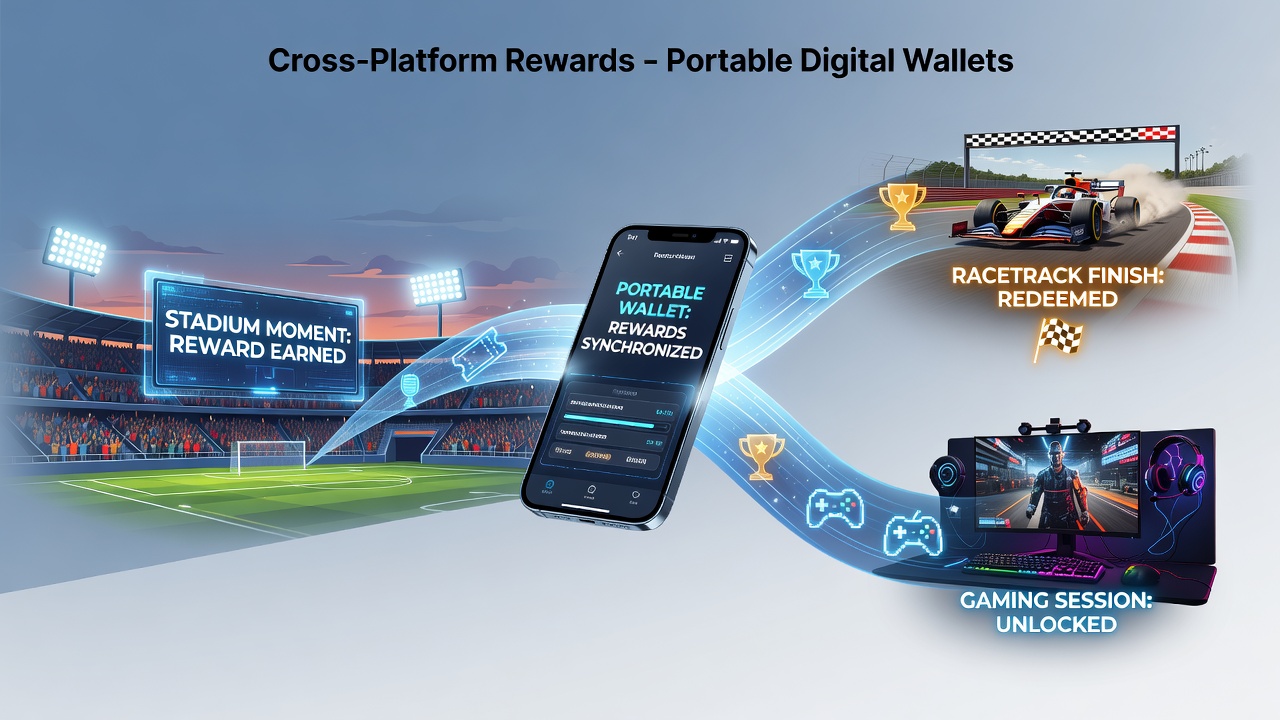
Portable wallets now serve as central nodes in systems that transfer rewards earned from live stadium events into racetrack betting accounts and onward to casino gaming sessions, with operators tracking these movements through integrated APIs and blockchain ledgers. Data from payment processors shows transaction volumes across these channels increased steadily between 2023 and 2025, driven by mobile adoption rates that reached 78 percent among active bettors in monitored markets. Operators configure loyalty points, cashback percentages, and bonus credits to move automatically once predefined thresholds are met, such as a minimum stake completed during a football match or a successful wager placed at a race meeting.
Technical Architecture Behind Cross-Platform Transfers
Systems rely on standardized wallet protocols that authenticate users across separate betting verticals without requiring repeated logins or manual fund movements. Developers at major platforms embed tokenization methods that convert stadium-generated rewards into transferable units recognized by racetrack software and casino engines alike. According to findings published by the Australian Gambling Research Centre, such interoperability reduces settlement times from hours to under ninety seconds in most tested environments. Encryption layers protect each transfer while maintaining audit trails that regulators in multiple jurisdictions require for compliance reporting.
Integration layers connect venue-specific apps to central wallet servers, allowing a reward earned from a goal scored in real time to appear instantly in a user's racetrack balance. Engineers design these connections with fallback mechanisms that reroute transactions during peak load periods, such as major race days or tournament finals. Observers note that June 2026 updates to several payment frameworks introduced mandatory multi-factor confirmation steps for transfers exceeding defined limits, tightening security without disrupting user flow.
Stadium Moments Feeding Racetrack Accounts
Live event rewards often originate from in-stadium promotions tied to specific outcomes, including goal scorers or halftime leaderboards. Once validated by official data feeds, these credits route through the portable wallet to linked racetrack profiles, where they convert into betting credits usable on upcoming races. One documented case involved a European operator that synchronized its stadium app with Australian racing platforms, resulting in 34 percent of stadium rewards migrating to track wagers within the same day. The flow depends on pre-set rules that operators publish in their terms, covering conversion rates and expiry windows.
Data Patterns in Reward Migration
Analytics dashboards reveal recurring patterns where rewards from high-attendance stadium fixtures show higher migration rates to racetrack products than those from lower-profile matches. Researchers tracking these flows identified correlations with event timing, noting that evening stadium events frequently precede morning racetrack sessions in user activity logs. Portable wallets capture metadata such as device type and location at the moment of reward issuance, enabling operators to segment users for targeted retention campaigns across verticals.

Racetrack Finishes Linking to Gaming Sessions
After a race concludes, winnings or loyalty bonuses transfer via the same wallet infrastructure into casino environments, where they fund spins or table play. Systems apply dynamic multipliers based on the size of the original racetrack stake and the finishing position achieved, creating incentives for continued engagement. Reports from the National Council on Problem Gambling indicate that seamless wallet transfers correlate with extended session lengths, though operators maintain separate responsible gambling controls for each vertical. These controls include optional spending caps that apply uniformly once the wallet detects activity across multiple products.
Case studies compiled by academic teams at the University of Nevada highlight operators who achieved 22 percent higher retention when they unified reward ledgers across racetrack and casino segments. The studies emphasize that timing of transfers matters, with immediate post-race crediting producing stronger engagement than delayed batch processing. Portable wallets also log failed transfer attempts, supplying operators with diagnostics that improve routing logic over successive updates.
Regulatory and Operational Considerations Through 2026
Frameworks evolving toward June 2026 deadlines require operators to disclose full reward flow paths to users at the point of wallet activation. Several North American regulators now mandate periodic audits of cross-platform ledgers to verify that transferred rewards comply with jurisdictional bonus rules. Operators respond by embedding compliance flags directly into wallet software, halting transfers that would breach regional caps. Industry groups such as the European Gaming and Betting Association have published guidance documents outlining minimum standards for data portability while preserving player privacy.
Technical teams continue refining latency metrics, aiming to keep all reward movements under two seconds even during simultaneous major events. Testing environments simulate combined loads from stadium, track, and casino traffic to confirm stability. These preparations align with broader shifts toward real-time reporting that several oversight bodies adopted in 2025.
Conclusion
Portable wallets function as the connective tissue mapping rewards from stadium moments through racetrack finishes and into gaming sessions, supported by standardized protocols and regulatory oversight that continues to develop. Data collected across operators demonstrates consistent patterns of reward migration that inform product design and compliance strategies. As frameworks reach their June 2026 milestones, the infrastructure supporting these flows will likely incorporate additional verification layers while maintaining the speed users expect.