11 Jun 2026
Digital Pathways Unlocked: Transaction Flexibility and Guidance Shaping Engagement in Equine, Sports, and Casino Platforms
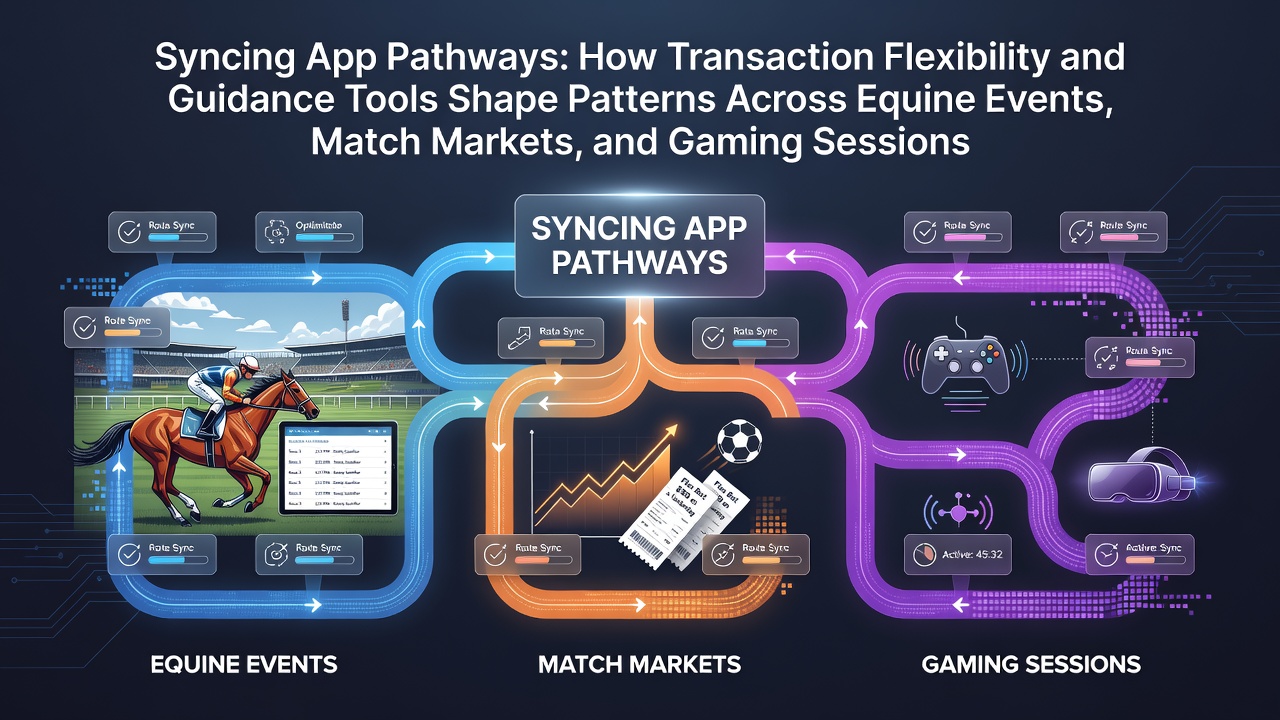
Transaction flexibility combined with integrated guidance tools continues to influence user navigation across equine events, match markets, and gaming sessions in measurable ways, according to industry reports released in early 2026. Platforms that streamline deposits, withdrawals, and real-time adjustments see distinct shifts in session duration and cross-category participation, while guidance features such as personalized prompts and risk indicators help direct activity toward specific event types.
Transaction Flexibility Across Categories
Payment options that allow instant transfers and variable stake adjustments create smoother transitions between equine events like thoroughbred races and match markets focused on team sports outcomes. Data from the Australian Gambling Research Centre shows users who access multi-method wallets tend to maintain longer activity windows, moving from trackside wagers to in-play sports selections without exiting the application environment. This pattern emerges because reduced friction at the payment layer encourages exploration of new event calendars rather than repeated visits to familiar sections.
Guidance tools embedded in these systems further refine the flow by highlighting available promotions or upcoming fixtures based on prior transaction history. Observers note that equine event participants often receive tailored alerts about race timings or odds movements, which in turn prompts quicker decisions during live windows. In contrast, match market users encounter suggestions that align with game phases, leading to synchronized activity spikes across both domains when platforms update interfaces simultaneously.
Guidance Mechanisms and Behavioral Patterns
Support features ranging from interactive tutorials to limit-setting dashboards shape how individuals allocate time between equine events and gaming sessions. Research published through the University of Nevada Reno Gaming Research Center indicates that users exposed to dynamic guidance modules demonstrate higher rates of category switching, particularly when transaction limits adjust automatically in response to session length. These tools operate by analyzing transaction velocity and presenting options such as quick cash-out buttons or scheduled reminders, which help maintain engagement without abrupt stops.
Equine platforms benefit notably from this setup because race schedules demand precise timing, and guidance overlays can sync payment confirmations with starting gates. Match markets gain similar advantages during high-volume periods when guidance highlights live betting sequences tied to transaction history. Gaming sessions, meanwhile, see extended play intervals when flexible top-up options pair with prompts that suggest table limits or session caps based on recent activity.
Interconnections Between Event Types
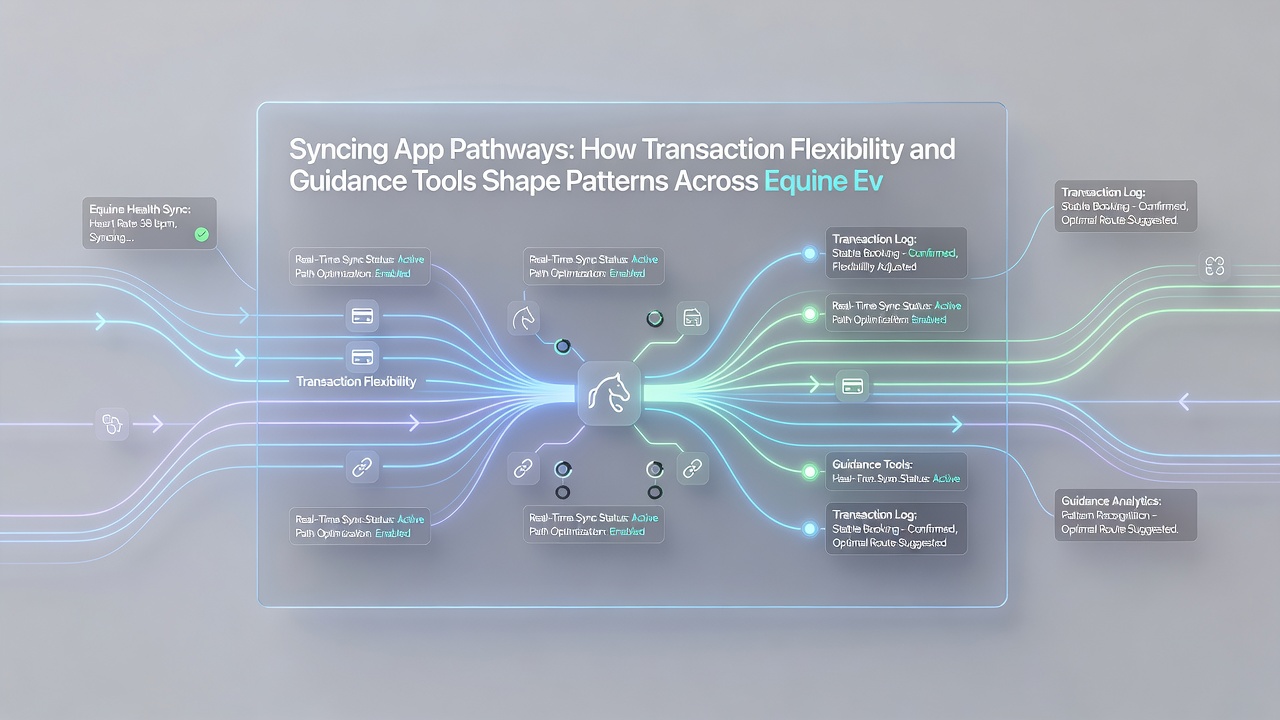
Patterns emerge most clearly when platforms integrate all three areas under unified account structures. Users who complete a deposit for an equine event often encounter guidance that surfaces parallel opportunities in match markets or gaming sessions, driven by algorithmic recommendations tied to account balance and past transaction sizes. Figures from the Canadian Centre on Substance Use and Addiction reveal that such cross-promotion correlates with increased multi-category participation, especially during periods when event calendars overlap in June 2026.
Transaction flexibility plays a central role here, allowing seamless movement of funds between categories without separate verification steps. Guidance tools reinforce this by displaying comparative data on recent wins or loss thresholds across equine, sports, and casino environments, which helps users adjust strategies in real time. Those who study these systems observe that the combination reduces drop-off rates at category boundaries and encourages longer overall platform retention.
Regulatory Context in Mid-2026
Updates to payment processing standards scheduled for June 2026 in several jurisdictions further highlight the importance of flexible transaction pathways. Industry analyses from the European Gaming and Betting Association suggest that operators who already employ adaptive guidance tools encounter fewer compliance adjustments because their systems already track transaction flows across event types. This preparation allows continued pattern stability even as new reporting requirements take effect.
Equine events face particular scrutiny around timing-sensitive wagers, while match markets and gaming sessions adapt through updated guidance that flags regulatory thresholds during active sessions. The result appears in aggregated data showing sustained cross-category movement rather than fragmentation into isolated activities.
Conclusion
Transaction flexibility paired with targeted guidance continues to define engagement pathways that span equine events, match markets, and gaming sessions. Available evidence points to measurable shifts in participation patterns, session continuity, and category transitions as platforms refine these elements ahead of mid-2026 regulatory milestones. Observers tracking these developments note consistent correlations between streamlined payments, supportive interfaces, and diversified user activity across the three domains.