20 Jun 2026
Coordinating Live Query Fixes with Instant Payout Systems Across Soccer Pitches, Racing Tracks, and Casino Tables

Operators in the betting sector have developed frameworks that pair rapid resolution of customer queries with immediate fund transfers, and these systems now cover live events on soccer pitches, horse racing tracks, and casino tables. Research from industry bodies shows that such alignment reduces downtime during high-stakes moments when bettors need quick answers on disputed wagers or account adjustments before placing follow-up stakes.
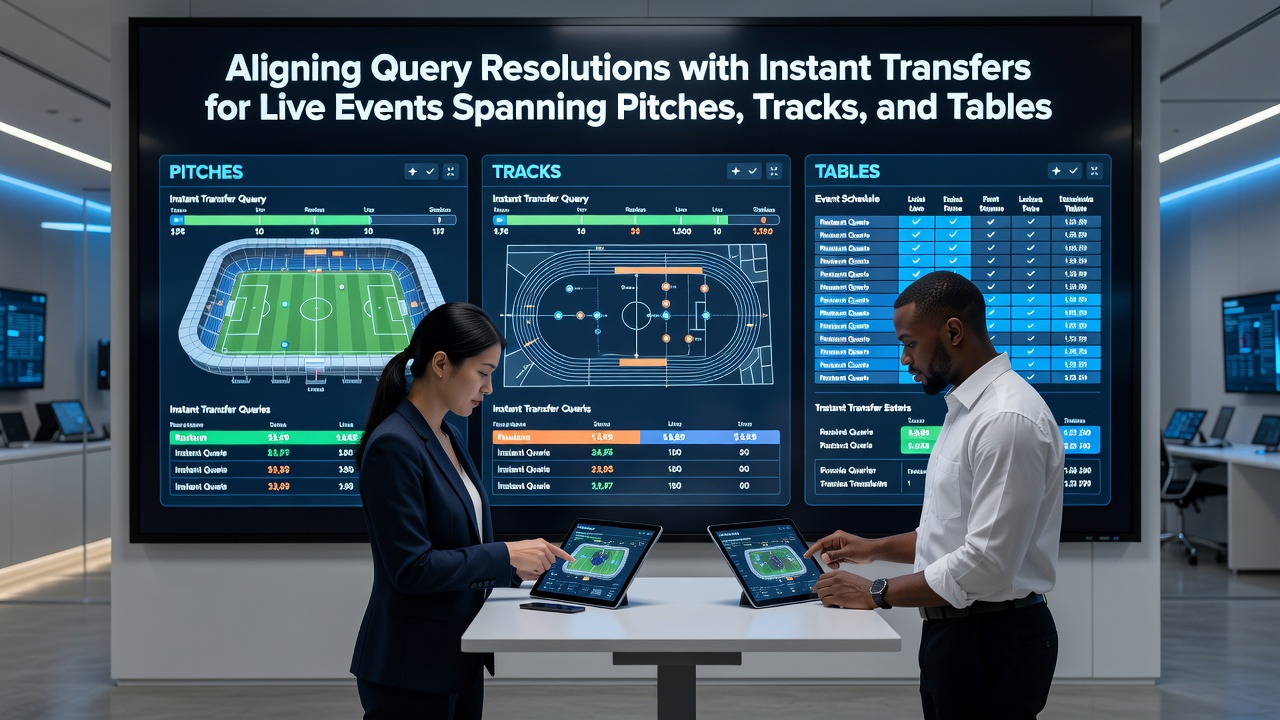
Data from payment technology providers indicates that integration relies on APIs linking customer support platforms directly to banking rails, allowing agents to approve or deny adjustments in seconds rather than minutes. This setup proves especially useful during overlapping live events, where a soccer match might run alongside a race meeting and a table game tournament, creating simultaneous spikes in query volume.
Core Components of Integrated Resolution and Transfer Systems
Modern platforms use centralized dashboards that display both the query details and the associated account balance in one view, and agents can trigger transfers once the issue clears without switching between separate tools. According to reports compiled by the European Gaming and Betting Association, operators adopting these dashboards recorded average query handling times dropping by up to 40 percent in peak periods.
Security protocols require multi-factor verification even for small adjustments, yet the process completes fast enough to keep bettors engaged through the remainder of a live race or a casino session. Observers note that encryption standards and real-time fraud checks run in the background while the support interaction stays visible to the user through chat or app notifications.
Application in Soccer, Horse Racing, and Table Games
During live soccer matches, bettors frequently raise questions about goal timing or market suspensions, and resolved queries can lead straight to instant deposits that fund additional in-play wagers. Similar patterns appear on horse racing tracks where last-minute jockey changes or track conditions prompt inquiries, after which cleared funds move immediately for new bets on subsequent races.
Casino tables present their own timing demands, since a disputed roulette spin or blackjack hand requires swift verification before the next round begins, and integrated systems allow winnings or corrections to appear in player accounts without delay. Figures from the Responsible Gambling Council in Canada reveal that platforms with these paired features maintain higher session continuity rates across all three event types compared with those relying on separate support and payment channels.
Regulatory and Technical Developments Around Mid-2026
By June 2026 several jurisdictions plan updates to digital payment rules that affect gambling operators, and companies have already begun testing enhanced reconciliation tools that automatically log each resolved query alongside its corresponding transfer. These logs help satisfy audit requirements while preserving the speed users expect during live events.
Industry analyses from the Australian Institute of Gambling Research point to growing use of cloud-based orchestration layers that connect legacy betting engines with newer instant payment networks, and the same layers support the query side by routing tickets to the correct specialist without manual handoffs. The result is a single workflow that handles both the human element of dispute resolution and the automated movement of funds.
Examples from Operational Deployments
One European operator implemented a unified system in early 2025 that flags live-event queries for priority routing, and once an agent confirms the resolution the platform executes the transfer through an open banking connection. Bettors on soccer pitches, tracks, and tables reported fewer interruptions, while internal metrics showed a measurable decline in abandoned sessions during overlapping live schedules.
Another deployment in North America linked support chatbots to preliminary checks before escalating complex cases to human agents, adn the same interface allowed instant transfer authorization once clearance occurred. Data shared at industry conferences indicated that the approach cut average resolution-to-transfer cycles from 90 seconds to under 25 seconds across the tested venues.
Conclusion
Aligning query resolutions with instant transfers creates a tighter operational loop for live betting environments that span pitches, tracks, and tables. Continued refinement of these connections supports both regulatory compliance and uninterrupted play as event calendars grow more crowded through 2026 and beyond.