4 Aug 2026
Coordinating Assistance Networks and Rapid Fund Movements Amid Live Multi-Site Activity Peaks
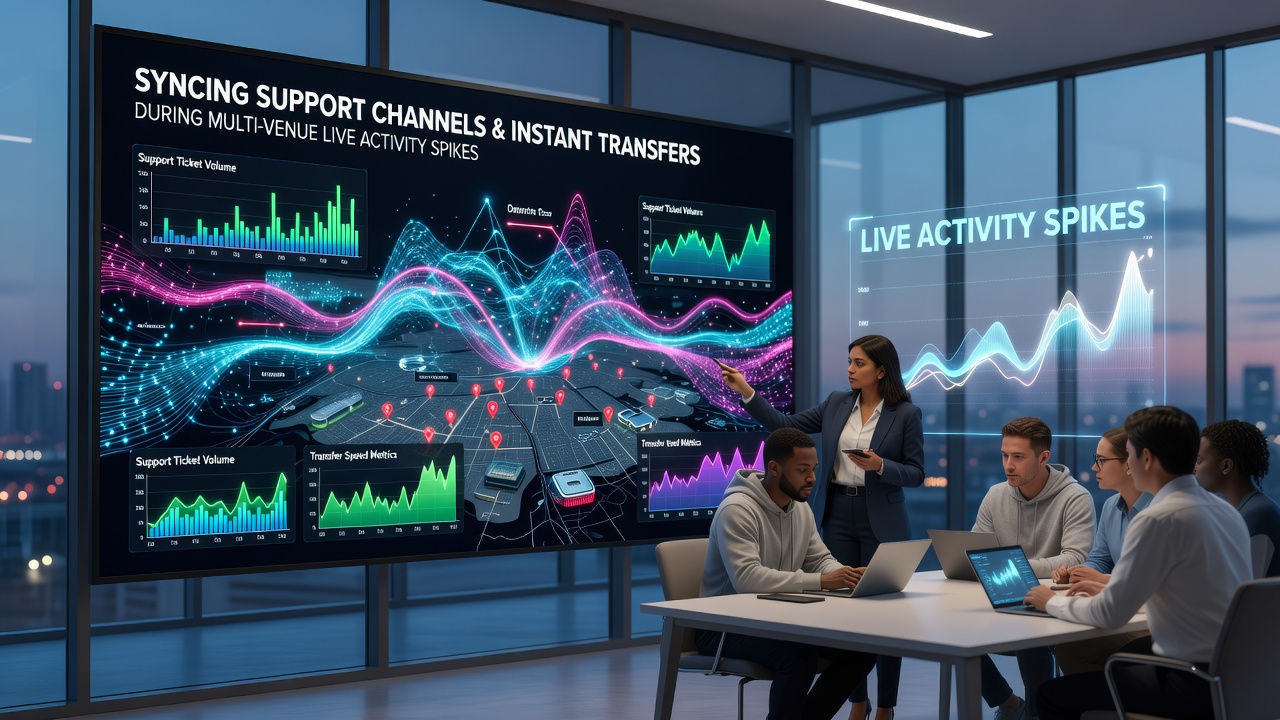
Operators across football, horse racing and casino platforms have developed systems that link customer assistance teams directly to instant transfer mechanisms, and these setups activate when live events trigger simultaneous spikes in multiple venues. Data from industry reports shows transaction volumes can rise by 300 percent within minutes of a major race start or match kickoff, which creates pressure on both payment rails and support queues. In August 2026 several major platforms introduced unified dashboards that allow agents to view transfer status, account balances and live event timelines in one interface, reducing average resolution time for deposit or withdrawal queries during peak periods.
System Architecture Behind Coordinated Channels
Technical teams build API connections between support software and payment processors so that an agent can trigger or verify an instant transfer without switching platforms. One study from the University of Nevada, Las Vegas found that integrated systems cut error rates in fund movement requests by 42 percent compared with separate tools. The architecture typically includes real-time event listeners that flag unusual activity patterns, such as clustered withdrawals after a goal or a photo finish, and route those alerts to dedicated support pods trained on both regulatory requirements and platform-specific transfer rules.
Payment gateways used in these setups often rely on protocols that settle within seconds, yet operators still maintain fallback verification layers that support staff can invoke when automated checks flag potential issues. Observers note that during simultaneous events across three or more venues, the volume of cross-channel queries increases because users place bets on football while monitoring racing results and casino tables, which generates mixed transaction types that agents must handle quickly.
Operational Adjustments During August 2026 Surges
Records from platform analytics indicate that August 2026 saw a measurable uptick in live multi-venue activity, driven by overlapping international football fixtures and major racing festivals. Operators responded by pre-positioning transfer queues and staffing support shifts that overlap peak windows by at least 90 minutes on either side. Agents receive scripted prompts that reference current event status, allowing them to confirm whether a delayed transfer aligns with a particular live moment rather than a technical fault.
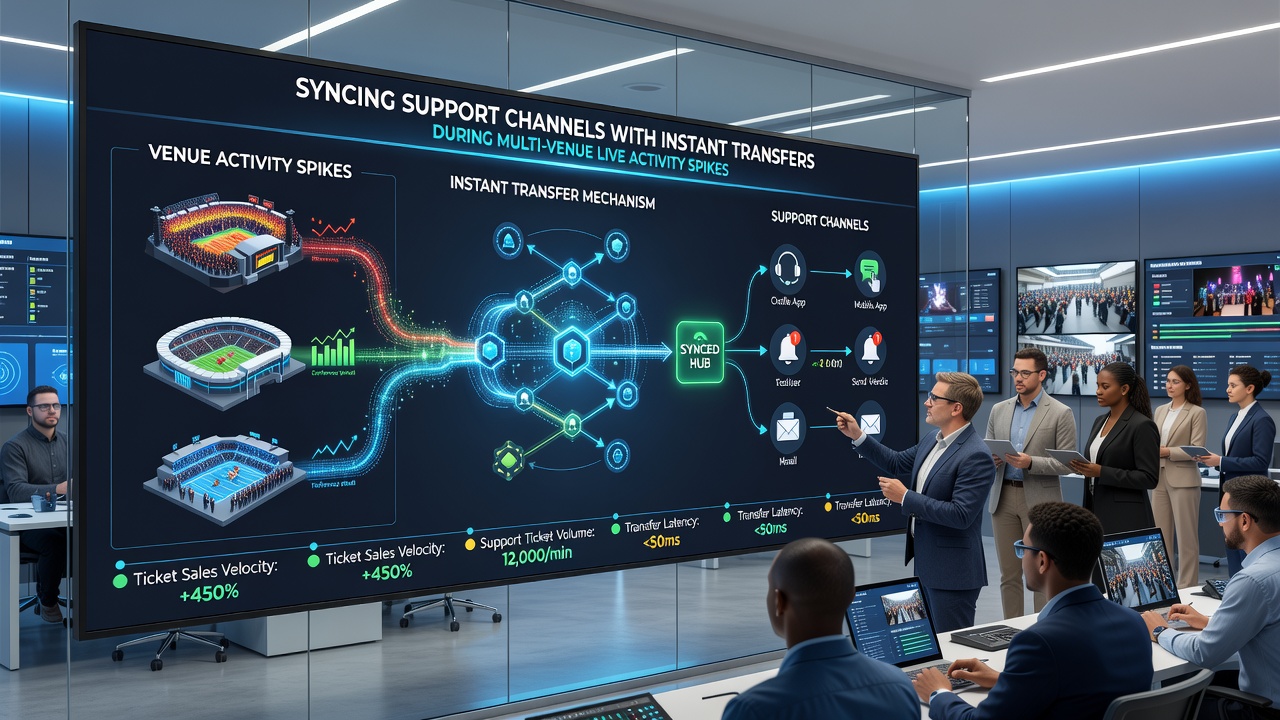
Training modules developed by several platforms incorporate case examples where a user requested a withdrawal immediately after a horse race result, and the agent used the shared dashboard to confirm the outcome timestamp before approving the transfer. Such coordination prevents disputes that arise when users attempt to move funds based on outcomes that have not yet been officially posted. Figures from the American Gaming Association indicate that platforms employing these synchronized protocols reported a 28 percent drop in support ticket escalation during comparable event clusters in prior seasons.
Regulatory and Compliance Integration
Compliance teams embed automated checks within the same dashboards so agents can verify identity, spending limits and jurisdictional rules before completing transfers. The Malta Gaming Authority has published guidelines that encourage real-time monitoring tools capable of pausing transfers when activity thresholds are crossed, and operators have incorporated these pauses into support workflows. When a spike occurs across venues, the system flags accounts that have reached daily limits and routes those cases to agents who can explain the restriction while offering alternative actions such as partial transfers or scheduled releases.
Research from the Canadian Centre for Gaming Research highlights that clear communication during high-volume periods reduces repeat contacts by 35 percent, because users receive consistent information about both the transfer status and any regulatory holds. Platforms therefore maintain shared knowledge bases that update automatically with live event data and current compliance rules, allowing agents to answer questions without leaving the primary interface.
Performance Metrics and Scaling Strategies
Key performance indicators tracked during these spikes include average time to first response, transfer success rate within 30 seconds, and resolution of combined support-payment queries. Data shows that when support and transfer systems operate in parallel, the percentage of queries resolved on first contact rises above 80 percent. Operators scale capacity by activating overflow agent pools that have access to the same dashboards, ensuring that volume surges do not create backlogs that extend beyond event windows.
One documented case involved a platform that experienced simultaneous activity from a Premier League match, a Group 1 horse race and a live casino tournament. The coordinated system processed over 12,000 transfer-related support interactions within a four-hour window, with 94 percent completing without additional escalation. Such outcomes depend on pre-event testing of API latency and agent readiness drills that simulate overlapping venue loads.
Conclusion
Coordinated support and instant transfer systems have become standard infrastructure for platforms managing live activity across multiple venues. Continued refinement of shared dashboards, automated compliance layers and agent training protocols supports consistent performance even as event calendars grow more crowded. Industry data collected through 2026 demonstrates measurable improvements in resolution speed and transaction accuracy when these channels remain synchronized during peak periods.