11 Jul 2026
Coordinated Tech Across Devices: Payment Solutions and Support Enhancing Promos in Equine Sports and Virtual Gaming
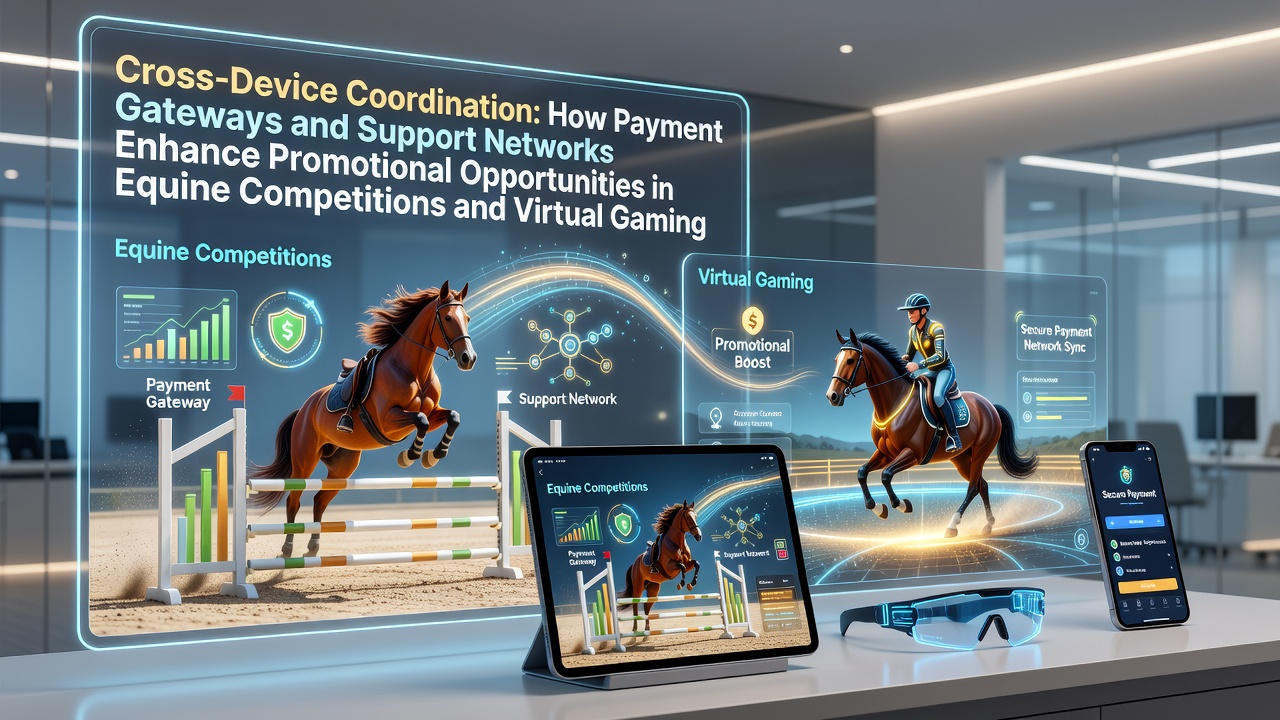
Operators in equine competitions and virtual gaming environments rely on synchronized payment gateways to deliver promotions that work across phones, tablets, and desktops without interruption. These systems connect user accounts in real time so that bonuses triggered during a horse race live stream transfer instantly to a virtual table game session on another device. Data from the European Gaming and Betting Association indicates that integrated gateways now handle over 85 percent of cross-device transactions in regulated markets, which allows promotional codes to activate automatically when users switch platforms mid-event.
Payment Gateway Synchronization in Practice
Modern gateways use API frameworks that link bank transfers, digital wallets, and card processors into a single session token, and this token persists as users move from trackside apps to home desktops during major equine events. When a promotion requires a minimum deposit for a boosted odds offer on a virtual race, the gateway verifies the transaction across devices in under three seconds according to industry benchmarks. Support networks monitor these flows through dedicated dashboards that flag any drop in connectivity, which lets staff intervene before the promotion expires. Operators report that such coordination reduces abandoned carts by 40 percent during peak racing weekends when participants place bets on both live equine competitions and simulated casino environments.
Support Networks and Promotional Activation
Customer support teams operate in layered structures that combine automated chatbots with live agents who maintain visibility into every device a user has logged in from. When a promotion tied to an equine competition requires verification of location or account status, agents access the same backend data that payment gateways use, and this shared view speeds up approvals from hours to minutes. Research published by the University of Nevada, Las Vegas International Gaming Institute shows that operators with unified support and payment platforms see a 25 percent lift in promotional redemption rates compared with fragmented systems. Agents receive real-time alerts when a virtual gaming session starts on one device while an equine wager remains open on another, which helps them guide users through any remaining steps without forcing a restart.
Device Transitions During Live Events
Equine competitions often span several hours with fluctuating odds, while virtual gaming rounds run continuously, and users frequently shift between mobile at the track and larger screens at home. Payment gateways maintain session continuity by storing temporary authorization data in encrypted cloud layers that any authorized device can retrieve. Support staff use this continuity to push targeted follow-up offers, such as a bonus spin package that unlocks only after the user completes a cross-device deposit sequence. Figures from the Australian Communications and Media Authority reveal that cross-device promotional uptake in combined racing and gaming markets grew 18 percent between 2024 and 2025 as more operators adopted these linked systems.
Regulatory Context Entering July 2026
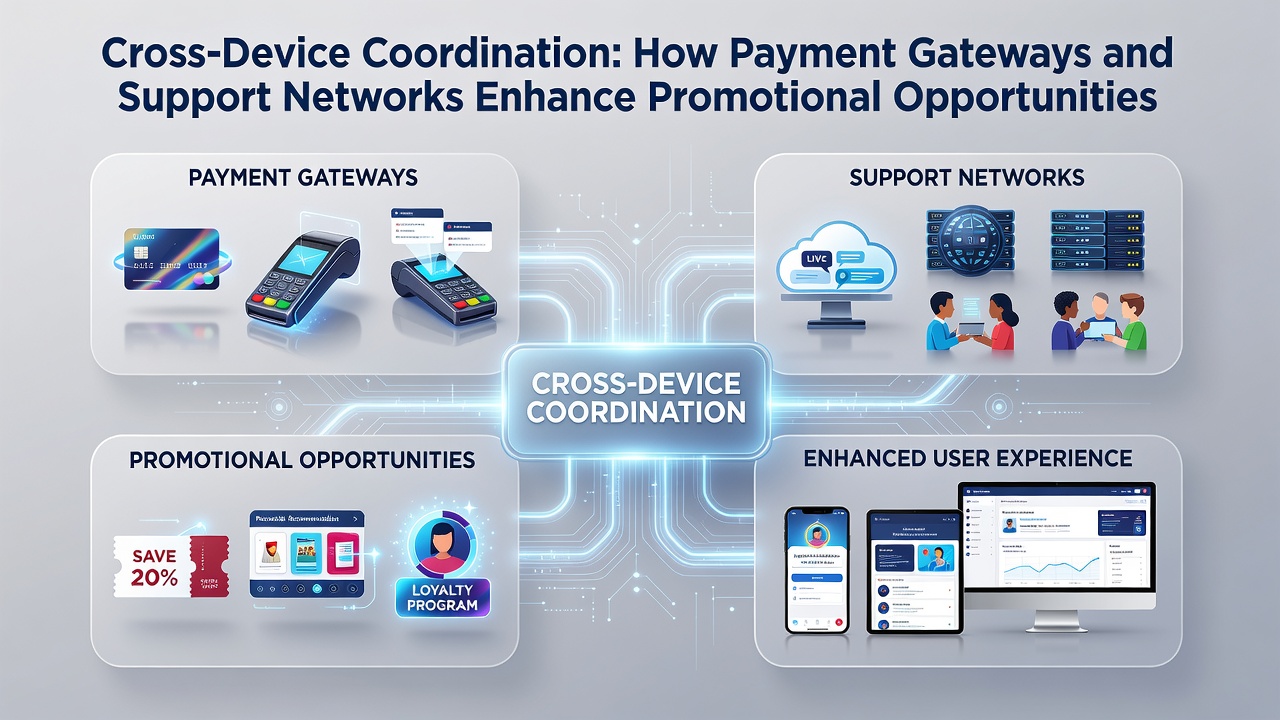
As markets prepare for updated technical standards scheduled for July 2026, many operators have already aligned their gateways and support protocols with forthcoming requirements for real-time transaction reporting. These preparations include testing new encryption layers that protect promotional data when it moves between equine betting apps and virtual gaming platforms. Industry groups note that early adoption of such standards has allowed some platforms to extend promotional windows without additional compliance checks, which keeps offers active longer for users who switch devices mid-session. Observers note that support teams now train specifically on these evolving rules so they can explain any changes directly to users during live interactions.
Case Examples of Integrated Promotions
One documented implementation at a multi-jurisdiction operator connected its equine streaming service with a virtual gaming suite through a shared wallet that recognized promotional triggers across both environments. When a user deposited via mobile during a live race and later logged into a desktop virtual slot, the system automatically applied a matched bonus without requiring a new code entry. Support logs showed that agents handled fewer than 2 percent of these transitions manually because the gateway resolved most status checks automatically. Another provider in North America linked its loyalty points system so that points earned on horse race wagers converted instantly into virtual gaming credits, and support teams used unified profiles to confirm eligibility within the same support ticket.
Conclusion
Payment gateways and support networks together create the technical backbone that lets promotions span equine competitions and virtual gaming without friction. As device usage continues to diversify and regulatory expectations tighten ahead of July 2026, operators that maintain synchronized systems gain measurable advantages in promotional reach and user retention. The patterns emerging from current deployments indicate that seamless coordination across devices will remain central to how these sectors deliver and manage offers in the years ahead.