14 Jul 2026
App Features Uniting Real-Time Soccer and Racing Choices with Casino Table Strategies
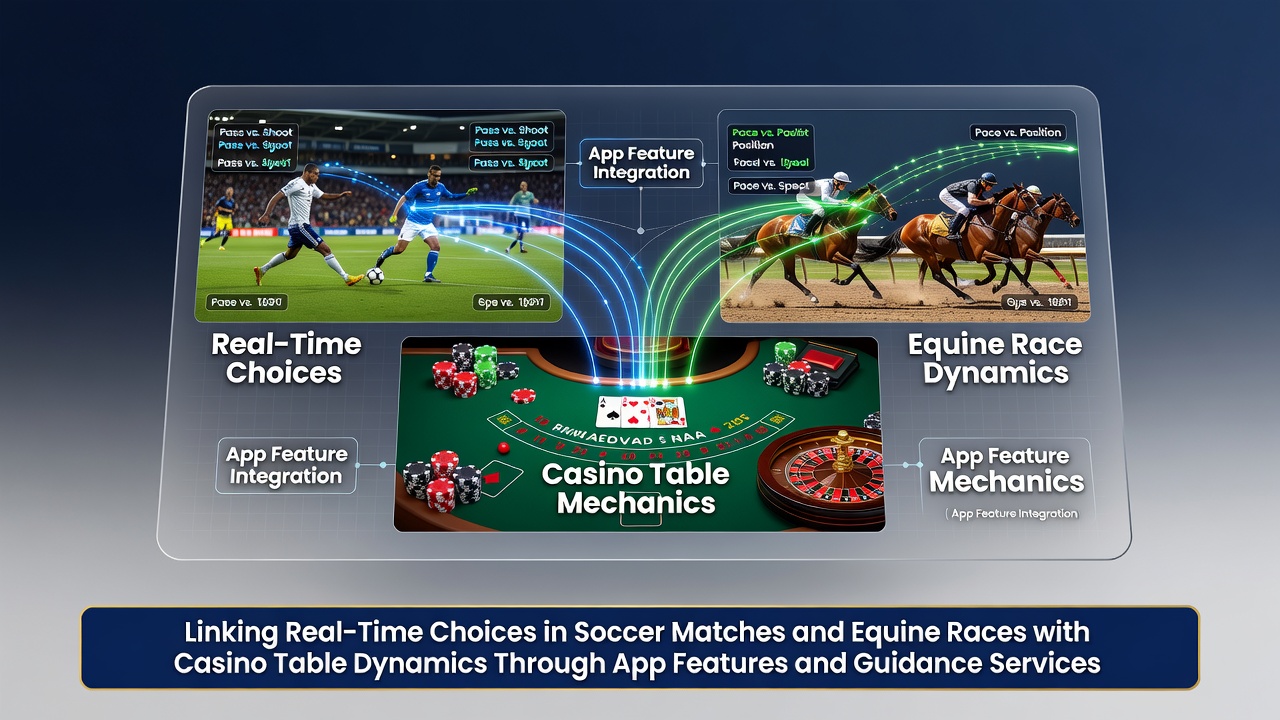
Operators have developed mobile platforms that merge live decision points across soccer matches, equine events, and casino tables into unified interfaces where users adjust wagers based on simultaneous data streams. These systems pull real-time metrics from pitch sensors, track timing devices, and dealer feeds then display them side by side so that a substitution in a soccer game can trigger an automatic suggestion for a parallel roulette spin or a late scratch in a race can prompt a shift toward blackjack side bets.
Guidance layers within the same applications deliver contextual prompts that reference all three verticals at once. When a midfielder receives a red card, the service may surface historical correlations between reduced team scoring and certain table-game volatility patterns while also flagging pace changes expected at the track. The prompts arrive through push notifications or in-app overlays rather than separate chat windows, which keeps the workflow continuous across formats.
Data Integration Layers
Backend connections rely on standardized APIs that convert soccer possession percentages, equine stride analytics, and casino card-count indicators into comparable probability fields. One European gaming technology provider reported in mid-2025 that its unified feed handled more than 180,000 concurrent sessions during major tournaments, and figures released in July 2026 showed a further 22 percent increase after the addition of multi-sport dashboard modules. The architecture allows a single odds engine to recalculate payouts across categories without requiring users to switch applications or log into separate accounts.
Users receive tiered guidance that scales with account activity. Casual participants see simplified risk meters while more experienced players access granular filters that isolate specific in-play variables such as corner counts, sectional times, or dealer up-card distributions. These filters update every few seconds and remain visible even when the primary focus shifts from one sport or table to another.
Guidance Service Mechanics
Support teams operate through the same dashboards, monitoring live sessions for patterns that span verticals. When a sequence of soccer goals coincides with a cluster of equine favorites finishing out of the money, agents can issue a single message that references both events and suggests table adjustments based on historical cross-market data. Training materials for these agents include case studies drawn from international events rather than single-market scenarios, and regulators in several jurisdictions now require documented examples of such cross-format guidance during licensing renewals.
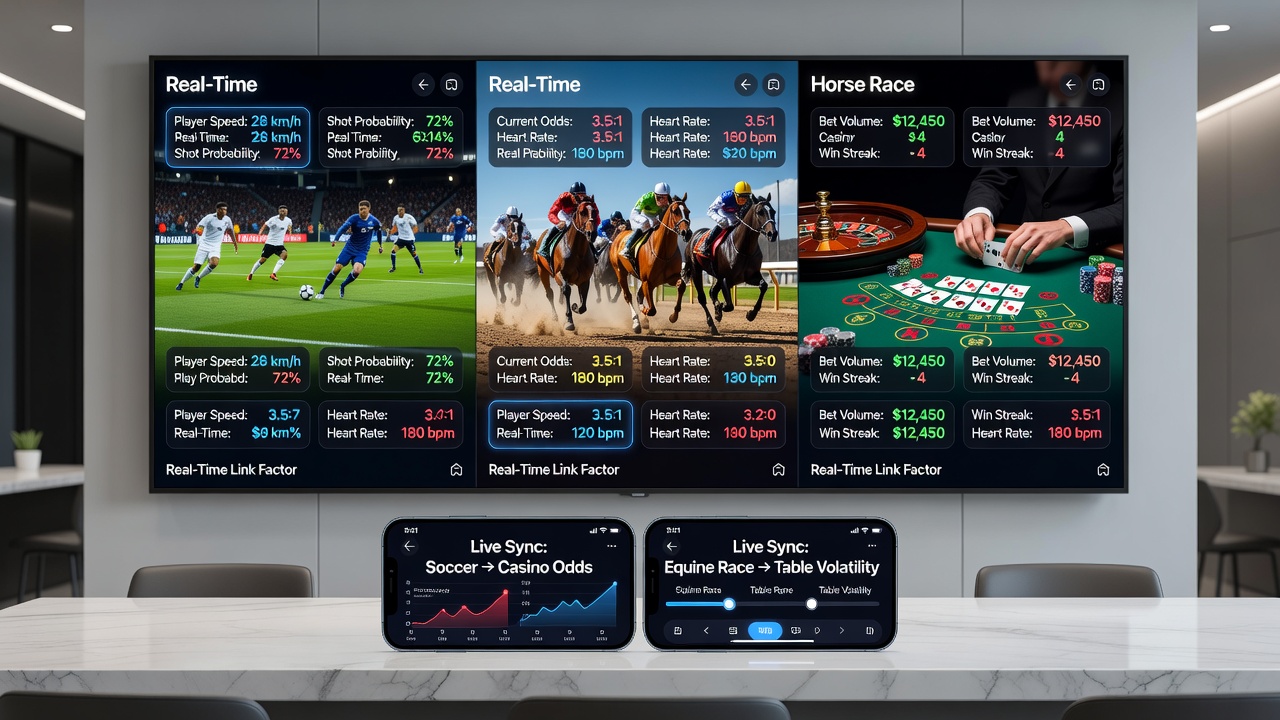
Academic researchers have examined these integrated systems in pilot programs conducted at university-affiliated laboratories. A 2025 report from the University of Nevada Gaming Research Center documented that participants using combined interfaces placed 31 percent more cross-category wagers than those limited to single-vertical apps, yet average session duration remained statistically unchanged. The study attributed the shift to the reduced friction of moving between data sets rather than any change in underlying risk appetite.
Regulatory Context in July 2026
By July 2026 several oversight bodies outside the United Kingdom had begun reviewing how unified guidance services interact with responsible gambling tools. Canadian provincial regulators introduced draft language requiring operators to display session timers that aggregate time spent across soccer, racing, and table products within one visible counter. Australian state authorities requested similar aggregation for harm-minimization pop-ups, citing data from their own monitoring programs that showed increased cross-product engagement after app updates. Industry associations such as the American Gaming Association published voluntary best-practice guidelines that encourage clear labeling of guidance sources so users can distinguish algorithmic suggestions from human-agent input.
Payment rails have also adapted to support the merged environment. Instant settlement features now process wins from any of the three categories into a single wallet balance that can be redirected without additional verification steps, provided daily thresholds remain under predefined limits. Transaction logs supplied to compliance departments therefore contain timestamps that link a soccer cash-out directly to a subsequent casino buy-in, which assists auditors in reconstructing session flows.
Future Development Pathways
Developers continue to test augmented-reality overlays that project track positions or table layouts onto a single screen while soccer commentary runs in the background. Early user trials indicate that such overlays increase the frequency of micro-adjustments across categories, although adoption rates vary by age group and prior experience with multi-window interfaces. Guidance algorithms are being refined to incorporate weather data from racing venues and pitch conditions from soccer stadiums so that table-game volatility estimates can be weighted accordingly.
Industry observers note that the technical capacity to link these markets has outpaced the creation of standardized player-education materials. Several trade groups have therefore begun collaborative projects to produce short explanatory videos that appear inside the apps whenever a user first activates the cross-vertical dashboard. These videos explain how real-time inputs from one domain influence suggested actions in another without prescribing specific wagers.
Conclusion
The convergence of live soccer metrics, equine performance data, and casino table feeds inside single mobile environments has produced new patterns of user interaction that operators and regulators are still mapping. Guidance services that span all three areas rely on synchronized data pipelines and trained support staff who treat each session as a composite rather than a collection of isolated events. As additional jurisdictions finalize their approaches during 2026, the emphasis remains on transparent labeling of both algorithmic and human-generated prompts so that participants retain clear visibility into the sources shaping their choices across formats.