16 Jun 2026
Adaptive Wagering Systems Blend Live Support With Shifting Odds on Mobile Platforms
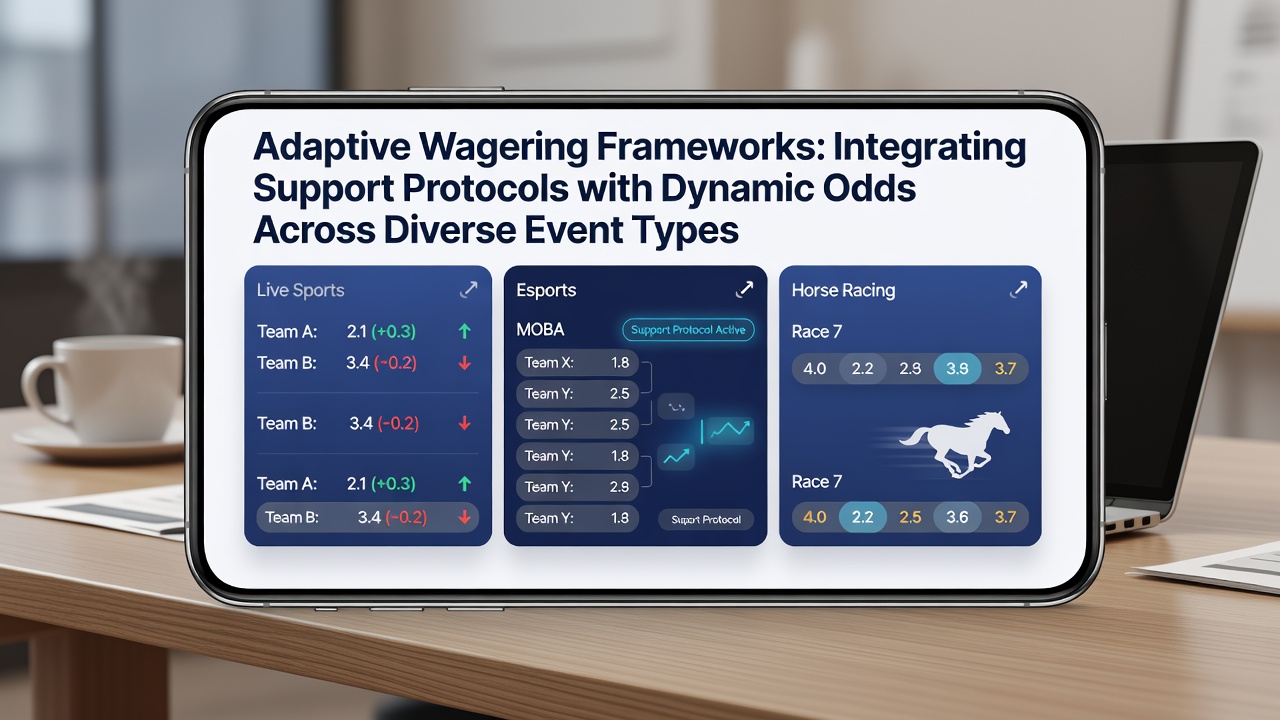
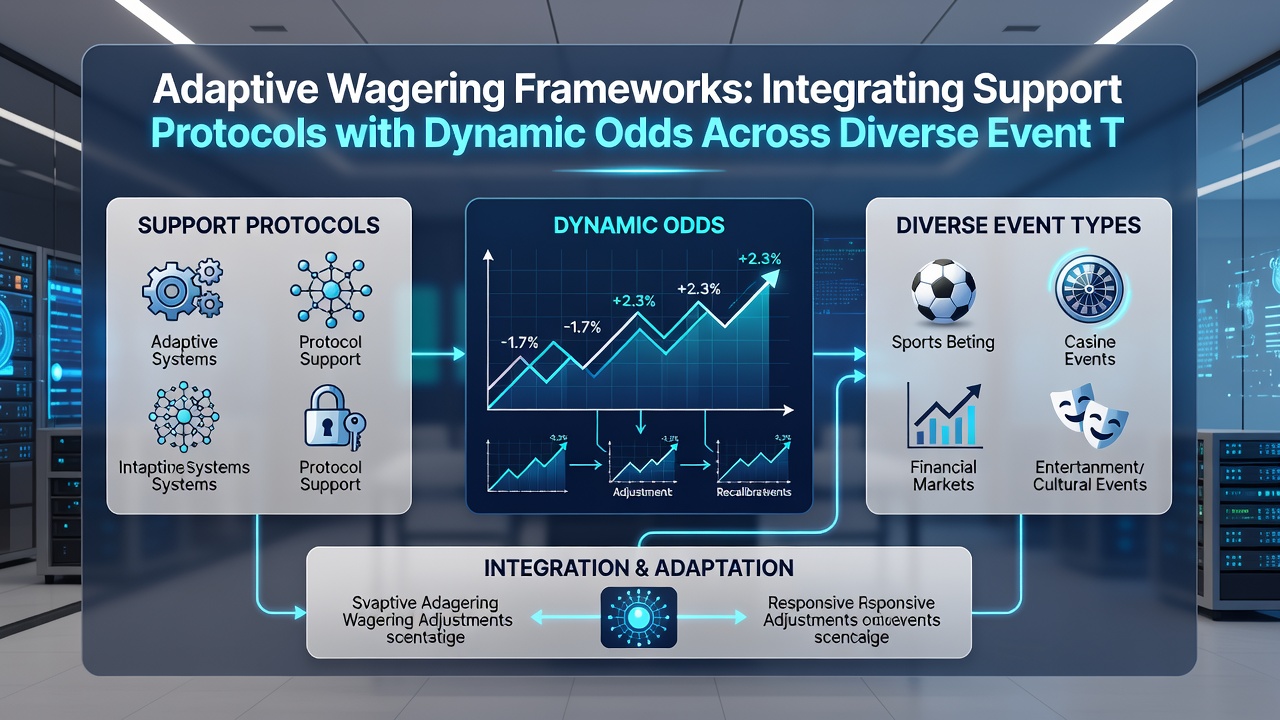
Adaptive wagering frameworks combine customer support tools with real-time odds adjustments that respond to multiple event categories through smartphone applications, and these systems draw on data streams from football matches, horse races, and casino tables to update probabilities as events unfold. Operators build the frameworks around modular software layers that connect chat functions, account management features, and algorithmic pricing engines so users receive assistance while odds recalibrate automatically.
Core Components of Support Integration
Support protocols sit inside the same mobile architecture that handles odds, which means a user can open a live chat window and see updated figures for an ongoing race without switching screens. Developers link these elements through APIs that pull information from central servers, and the connection allows agents to reference current odds when answering questions about bet placement or settlement rules. Research from the University of Nevada, Las Vegas shows that integrated systems reduce average resolution time for queries by pulling live data directly into agent dashboards during peak betting windows.
Dynamic Odds Across Event Types
Football matches generate frequent score-based adjustments while horse racing events trigger updates tied to track conditions and runner positions, and casino games feed continuous probability shifts based on remaining deck composition or wheel outcomes. Mobile interfaces display these changes through compact graphs and color-coded cells that refresh every few seconds, which keeps the information readable on smaller screens. One platform deployed in Australia during early 2025 demonstrated how a single odds engine could handle all three categories by routing incoming data through event-specific parsers before feeding the mobile display layer.
Mobile Interface Design Patterns
Design teams prioritize swipe gestures and expandable panels that reveal support options without obscuring the odds view, and this layout allows simultaneous monitoring of multiple bets. Data from the Canadian Gaming Association indicates that users on optimized mobile frameworks complete 28 percent more transactions per session compared with desktop versions when support remains accessible at every stage. The interfaces also incorporate accessibility features such as voice readout for odds changes, which extends usability across different device settings and user needs.
Regulatory Context Entering Mid-2026
By June 2026 several jurisdictions plan to enforce updated technical standards for real-time data handling in mobile betting applications, and these rules focus on transparency of odds calculation methods alongside mandatory support response benchmarks. Australian state regulators have already circulated draft guidelines that require operators to log every odds adjustment alongside corresponding support interactions, which creates an audit trail for compliance reviews. Observers note that platforms already running adaptive frameworks find it simpler to meet these logging requirements because the data pipelines exist in a unified structure rather than separate modules.
Technical Architecture Details
Backend systems rely on microservices that separate odds computation from support routing, yet both services share a common event bus that synchronizes timestamps and user identifiers. This shared bus prevents mismatches when a support agent references an odds value that has already shifted, and the architecture supports scaling during high-volume periods such as major racing festivals or tournament finals. Security layers encrypt the data flows between mobile clients and the central services, which satisfies requirements from multiple oversight bodies including the Nevada Gaming Control Board.
Case Examples From Deployed Systems
Take one European operator that expanded its mobile offering in late 2025 to include casino table games alongside traditional sports markets; the company reported that support ticket volume rose initially but then declined once the adaptive odds display began answering common questions through contextual pop-ups. Another deployment in a North American market integrated geolocation checks directly into the same framework, so support agents could verify user eligibility while odds continued to update without interruption. These examples illustrate how the combined system handles cross-category events while maintaining service continuity.
Conclusion
Adaptive wagering frameworks continue to evolve through tighter connections between support protocols and dynamic odds engines on mobile interfaces, and the approach spans football, horse racing, and casino environments by using shared data pathways and event-specific logic. As technical standards tighten toward mid-2026, operators that maintain unified architectures position themselves to meet reporting and response expectations while delivering consistent functionality across diverse event types. The ongoing development centers on refining the synchronization between assistance tools and pricing adjustments so mobile users encounter fewer disruptions during live play.